In partnership with

Rugged mountain ranges criss-crossed by canyons and lush valleys. Rolling desert dunes where nomadic Bedouins roam. Bustling marketplaces thrumming with the chatter of haggling. This is Oman: an epic country packed with rich cultural experiences.
With its laid-back atmosphere and friendly population, Oman is an incredible introduction to the Middle East. Even if you’ve been to this part of the world before, you’ll still find this coastal country’s unique attractions captivating. Whether you’re into ancient architecture, peaceful palm-fringed beaches or cosmopolitan life, these are some of the best things to do in Oman.
1. Visit five UNESCO World Heritage Sites
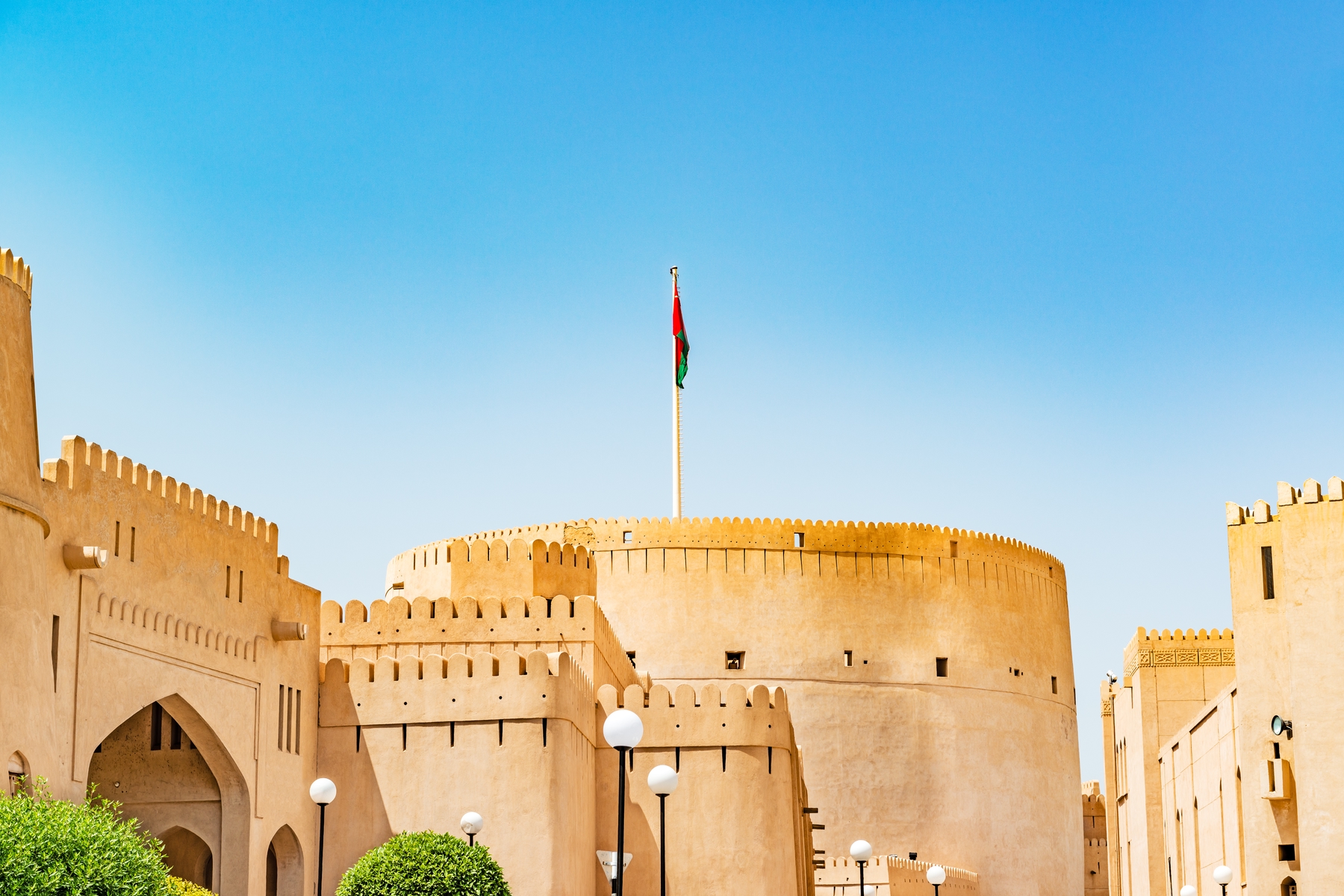
Oman is one of the oldest human-inhabited countries in the world and is rich in history, heritage and tradition. Despite its small size, Oman has five UNESCO World Heritage Sites to explore. Why not challenge yourself to visit them all?
- Bahla Fort: Oman’s largest fort has a long and mysterious history. Parts of the structure date back to the 13th century, but archaeological digs have found remains from 5,000 years ago.
- Archaeological Sites of Bat, Al-Khutm and Al-Ayn: These beehive tombs and megalithic towers were built around 2,700 BCE, and offer a glimpse into ancient burial practices.
- Land of Frankincense: Discover the places that made Oman’s ancient frankincense trade possible. This perfume was used throughout the ancient world, in medicine and religious rituals. Visit the ancient port of Samharan where frankincense was exported around the world, or see where it all began at the frankincense trees of Wadi Dawkah.
- Aflaj Irrigation System of Oman. Some of these ancient canals date back 3,000 years. While only five systems are listed by UNESCO, you’ll find them all over the country. They still form an important part of village life.
- Ancient City of Qalhat: This ruined city was once one of Arabia’s busiest ports. Excavation is still ongoing, but you can wander around the area and check out the remains of the city walls and mausoleum.
2. Relax on picture-perfect beaches
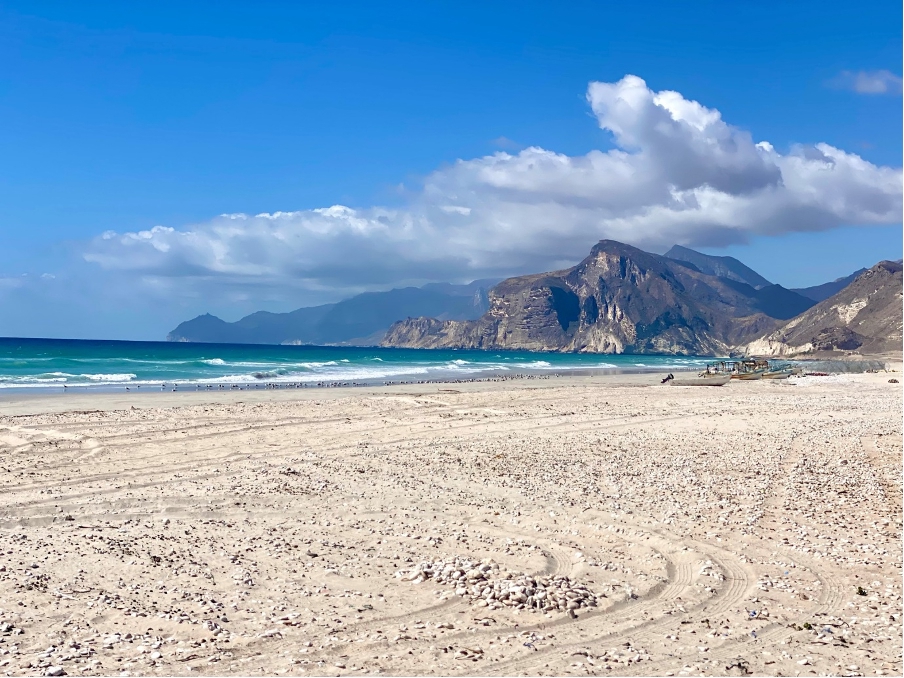
When it comes to luxurious beach breaks, Oman is hard to beat. Long stretches of soft, white sand offer a peaceful place to bask in the sunshine and dip in the crystal clear ocean. Families will enjoy splashing in the shallows, couples can unwind together and solo travellers can sit and soak up the atmosphere.
- Al Qurum Beach: Muscat’s city beach is lined with cute cafés and restaurants, with a long palm-shaded promenade that’s popular with joggers. Plop yourself onto a parasol-shaded lounger and enjoy the sunset.
- Bimmah Beach. In between Muscat and Sur and scooped out of the rocks is this glorious soft-sand beach, complete with turquoise waters. Perfect for a secluded and serene day by the sea.
- Al Mughsail Beach. The Salalah region is famous for its beaches, and Al Mughsail is among the finest. Rugged cliffs back the deep blue waters, with regular picnic shelters and barbecue zones. This beach is famous for its blowholes, where waves splash through the rocks and send jets of water several metres high into the air.
- Bar Al Hikman. In a land where the desert meets the sea, nowhere is this better encapsulated than at Bar Al Hikman, the largest sandbar in the Middle East. The lunar-like landscape gives way to mangroves, sugary white sand, and aquamarine waters. Frequently likened to the beaches of the Maldives, the drive to this part of the country is well worth your time. Rare birds call the shore home, and if you pop on your snorkel you’ll see plenty of unique marine life. Look out for the elusive Omani anemonefish, one of the largest and rarest clownfish in the world, which can only be found in the waters off Oman.
3. Haggle for a bargain in the souqs

Even if you’re not planning to buy anything, a visit to these bustling marketplaces is one of the most exciting and culturally authentic things to do in Oman. There are lots of souks to visit, each specialising in its own crafts.
- Muttrah souk: If you only visit one souk, make it this one. Explore the winding alleyways past tiny shops, and put your haggling hat on – bartering is expected here. Visit in the evening for maximum bustle.
- Seeb souk: This riotous market can be found just to the north of Muscat International Airport. You’ll find lots of traditional pieces here like gold bangles, hand-crafted abayas (over-dresses) and intricate mandoos (bridal chests).
- Bahla souk: This souk across from historic Bahla fort is the place to go for pottery and metalwork.
- Nizwa souk: One of the country’s oldest souks sells everything from fruit and vegetables to traditional handicrafts. It’s especially famous for khanjar (traditional curved daggers) crafted from silver.
4. …or spend a day in the modern malls
After doing your traditional souvenir shopping in the souks, treat yourself to some luxurious retail therapy in some of Oman’s contemporary shopping spots.
- City Center Muscat: This mega-mall has a wide range of independent and well-loved shops to explore, including fashion favourites H&M, Zara and Forever 21. You’ll also find shops selling Arabic fashion and homeware. An indoor theme park (Magic Planet) and a VOX Cinema offer some welcome entertainment.
- Salalah Gardens Mall. This modern mall is designed to look like an Omani palace. As well as contemporary shops, it also has an indoor souk-themed area. Here you’ll find traditional dress for sale, alongside local goods like frankincense.
- Oman Avenues Mall: Oman’s largest shopping mall is a true lifestyle destination, with a range of events throughout the year. Come for the food court and stay for entertaining events, like Masterchef competitions and bubble-blowing street performers.
- Mall of Oman: located in the centre of Muscat, this mall has over 300 curated shops and entertainment destinations. The standout is Snow Oman: a frozen wonderland with an ice rink, sledging hill and resident King and Gentoo penguins.
5. Celebrate the Khareef during Dhofar Festival

Oman’s second city, Salalah, is a lush and verdant paradise – and it’s all thanks to the khareef. These monsoon rains blow in from the south every summer, transforming the area into a fertile oasis. The wadis (gorges) fill up with water and create tranquil swimming holes. The arrival of the rain is a cause for celebration in this part of the country and, every August, the city hosts a tourism festival. Watch traditional dance performances, browse traditional handicrafts from street stalls and sample local foodie specialties like meshkak (grilled meat kebab).
6. Learn more about Oman’s heritage in its museums

Oman has around 15 museums to visit, each one showing off the unique aspects of the country’s rich history and culture.
- The National Museum of Oman: If you only visit one museum during your trip, it should be this one. Its collections focus on pieces found or created in Oman. It’s split into seven galleries, covering everything from Oman’s maritime history to currency and armour.
- The Museum of the Frankincense Land: Salalah’s only museum focuses on Oman’s Dhofar region – known as the ‘Land of Frankincense’. Exhibits include archaeological artefacts, as well as models of trade boats used from 3,000 BCE until now.
- Bait Al Zubair: The diverse collection of weapons and artefacts in this private museum illustrate the unique cultures of Muscat, and how they vary from region to region.
- Bait Al Baranda: This may be a small museum, but the collection is perfectly formed. It tells the story of Muscat throughout history, including dinosaur bones and artefacts from the days of Portuguese colonial rule.
7. Indulge in contemporary Omani dining
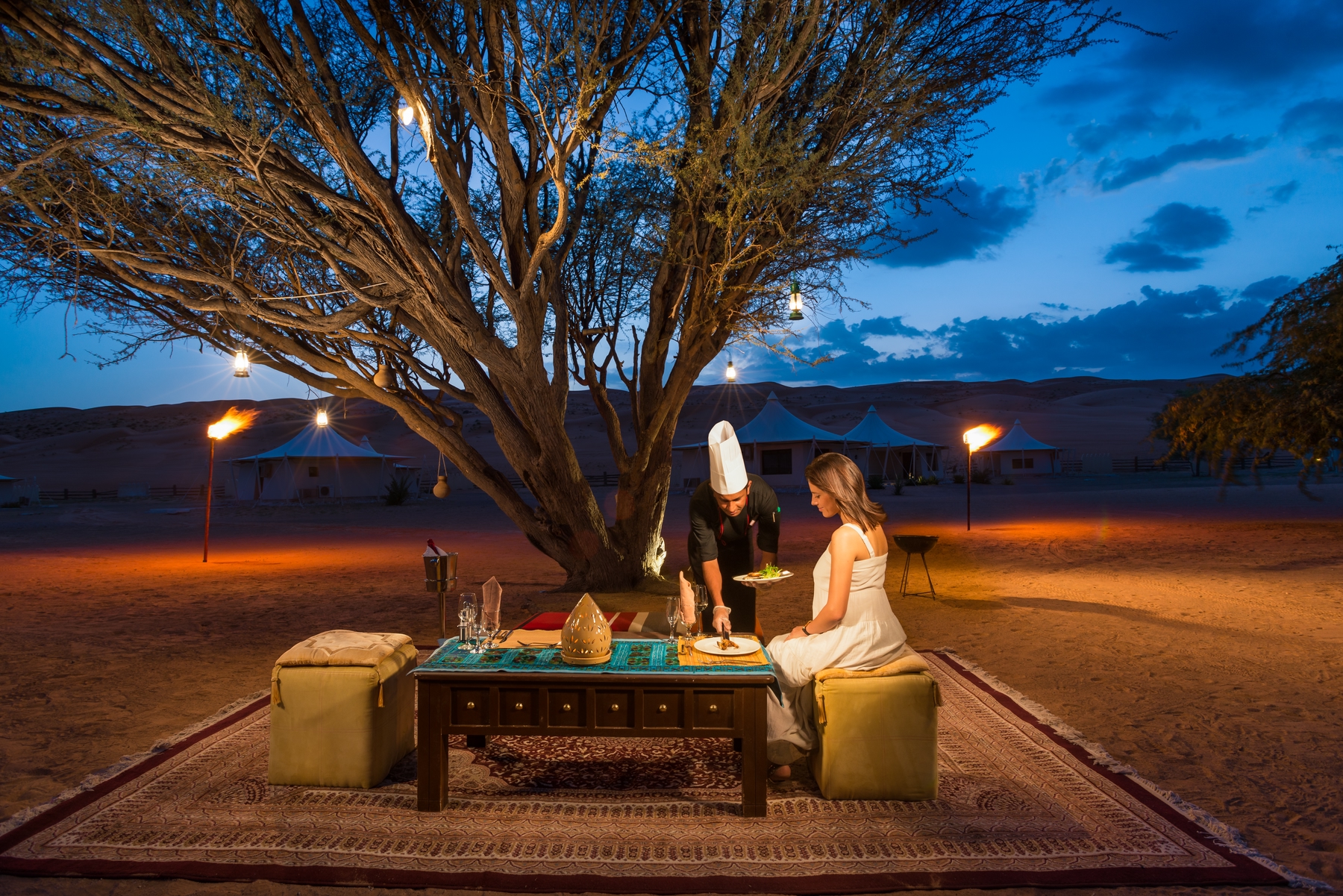
Muscat has a world-class dining scene. After a long day of immersing yourself in Omani culture, unwind with an evening at one of the city’s many contemporary restaurants.
- Al Angham Restaurant: Set inside the Royal Opera House, this fine-dining restaurant is renowned as one of the most striking places to eat in the city. Both the décor and menu take their cues from Omani tradition, giving it a modern twist.
- Bait Al Bahr: One of the best places to try seafood in Muscat, this upscale beachfront restaurant is part of the Shangri-La Hotel. Fresh fish and shellfish is laid out market style, and you can choose your catch and have it steamed, grilled, baked or fried to your taste.
- Bait Al Luban Omani Restaurant: Enjoy a modern take on traditional Omani flavours at this ultra-stylish restaurant. The charming building was once a guesthouse, and is decked out in warm wood and scented with frankincense. Get a window table and enjoy the view out to sea.
- Rozna Restaurant: You cannot talk about traditional Omani cuisine without hearing Rozna mentioned in the same breath. Set in a building that was inspired by the architecture of the ancient forts of Oman, the atmosphere of this restaurant is as good as the food. Try the Omani Shuwa, marinated mutton wrapped in banana leaves and cooked in a traditional tandoor. Or the Qabuli, rice seasoned with “Om Sulaiman’s spices” and served with your choice of fish, chicken or meat.
8. Discover the charms of Muscat
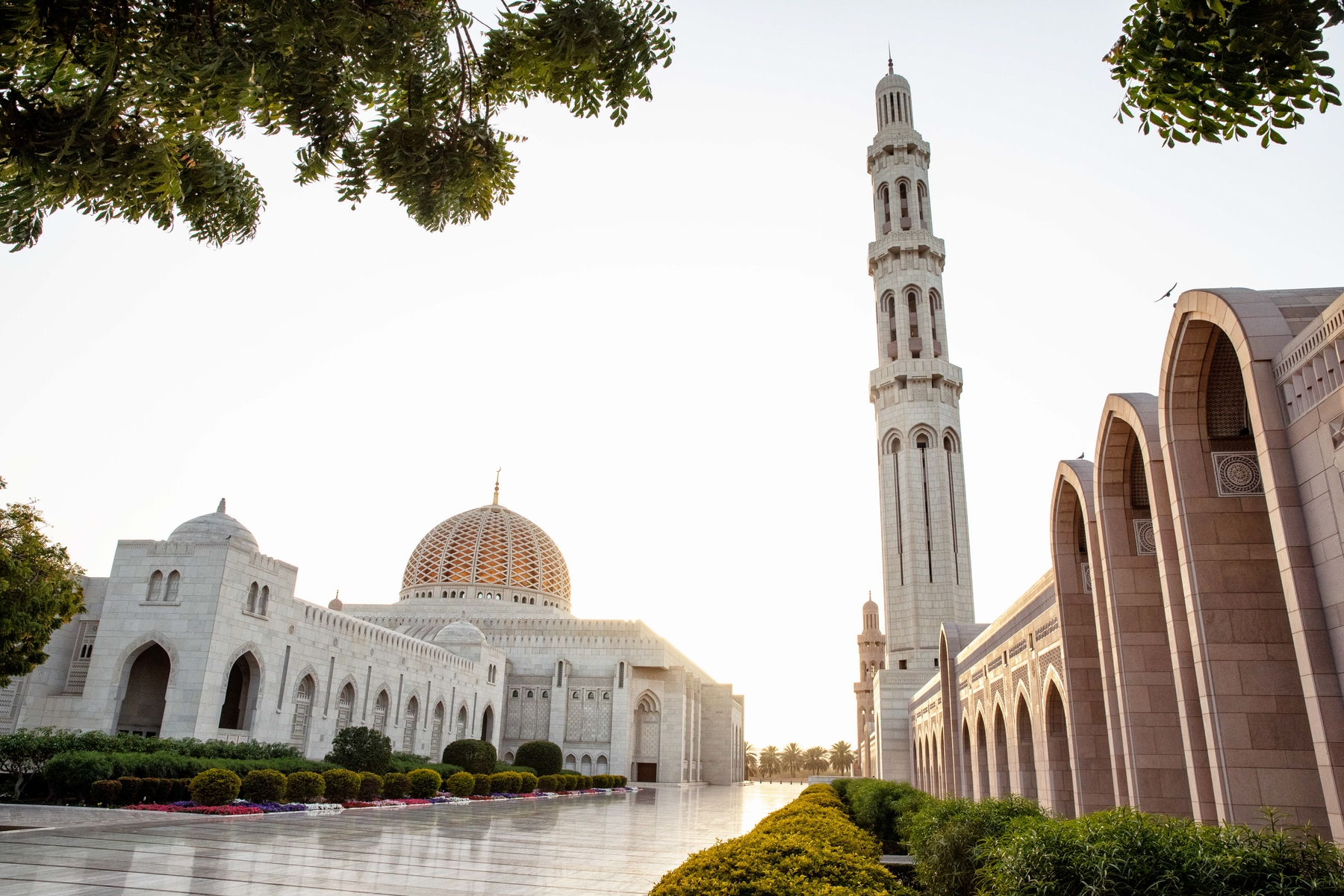
Set between the rugged Al Hajar mountains and the azure Sea of Oman, the city of Muscat is effortlessly beautiful. Its whitewashed buildings and minarets, combined with the languid pace of life, lend a dreamy and otherworldly feel to the city.
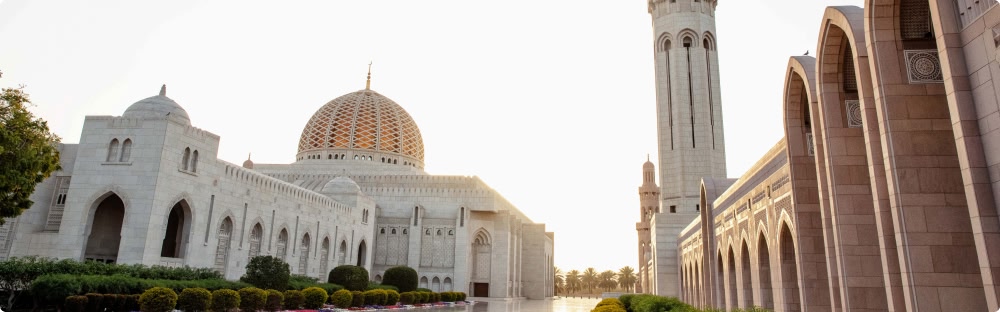
- Sultan Qaboos Grand Mosque: Oman’s largest mosque, and tallest structure, is truly breathtaking. The ceiling is decked out in huge chandeliers, while the floor is covered by a hand-loomed Persian rug that took four years to weave.
- Al Alam Palace: One of the sultan’s six residences, this pretty palace dates back 200 years. While you can’t go inside, the unique design and pretty gold and pale blue facade make it a popular spot for ‘accidentally Wes Anderson’ photographs.
- Qurum Natural Park: With its lush trees, pretty rose gardens and shimmering boating lake, Oman’s largest park is a tranquil place to cool off. It’s especially popular after dark, when the fountains light up.
- Mutrah corniche: Take a stroll along this seaside promenade at sunset and watch the light play off the mountains and mosques. By night, well-lit pavements and fountains make this a charming place for a jog, bike ride or meander.
- Royal Opera House: This grand building is Oman’s leading destination for arts and culture. It has a packed programme of performances: from opera and ballet to world music and theatrics. Guided tours of this incredible building are available from Saturday to Thursday, 8:30am to 5:30pm.
- Oman Convention and Exhibition Centre: The OCEC is a spectacular venue that not only plays host to five exhibition halls, but also holds events that range from concerts, gala dinners and performances. Make sure you see what’s coming up on their list when you book your trip to Oman.
9. Visit the ancient port of Sur

Sur has been an important trading port since the 6th century CE, and evidence of its rich history can be found throughout the city. Beaches, boats and forts are some of the biggest draws here.
- The dhow yards: Sur is one of the most famous ship-building cities on the Arabian Sea, and its shipyards are open to visitors. Watch artisans craft dhow boats using centuries-old techniques and exotic materials, like Burma teak.
- Sunaysilah Castle: This 300-year-old castle dominates the town centre from its rocky outcrop. Once the heart of Sur’s defence structure, today it serves as a small museum with artefacts, pottery and carpets.
- Ras al Jinz Turtle Reserve: An important nesting spot for rare green turtles sits just to the southeast of the town. Try to visit between July and September, when you’re most likely to see hatchlings.
What to do in Oman: a quick guide to local etiquette
Oman is one of the safest and friendliest countries in the world. To make the most of every visit to Oman, it’s important to follow cultural norms, and follow local laws.
Dress modestly, especially during the holy month of Ramadan. This changes every year: in 2023 it falls from 22 March to 21 April. Whatever time of year you visit, you should wear clothes that go below knee-length and cover your shoulders in public, regardless of gender. It’s not necessary for women to cover their heads unless entering a mosque.
Omanis are warm and welcoming people. In return, it’s important to show respect and follow their cultural norms. Always be friendly and polite, and avoid offensive language or gestures. You should also avoid public displays of affection.
Don’t take photos of local people without their permission, and avoid taking pictures of government buildings and airports. Recreational drones are illegal in Oman, so if you have one, leave it at home.
Ready to experience Oman?
With a wealth of epic experiences to enjoy, there truly is nowhere like Oman. Explore flights today and get ready for an adventure like no other.
Read more
- Expand your horizons: 8-10 unforgettable experiences you can only have in Oman
- Best vegan cities to visit in 2023: from New York City to Amsterdam
- Travel hack: How to turn 19 days of annual leave into 47 days off work