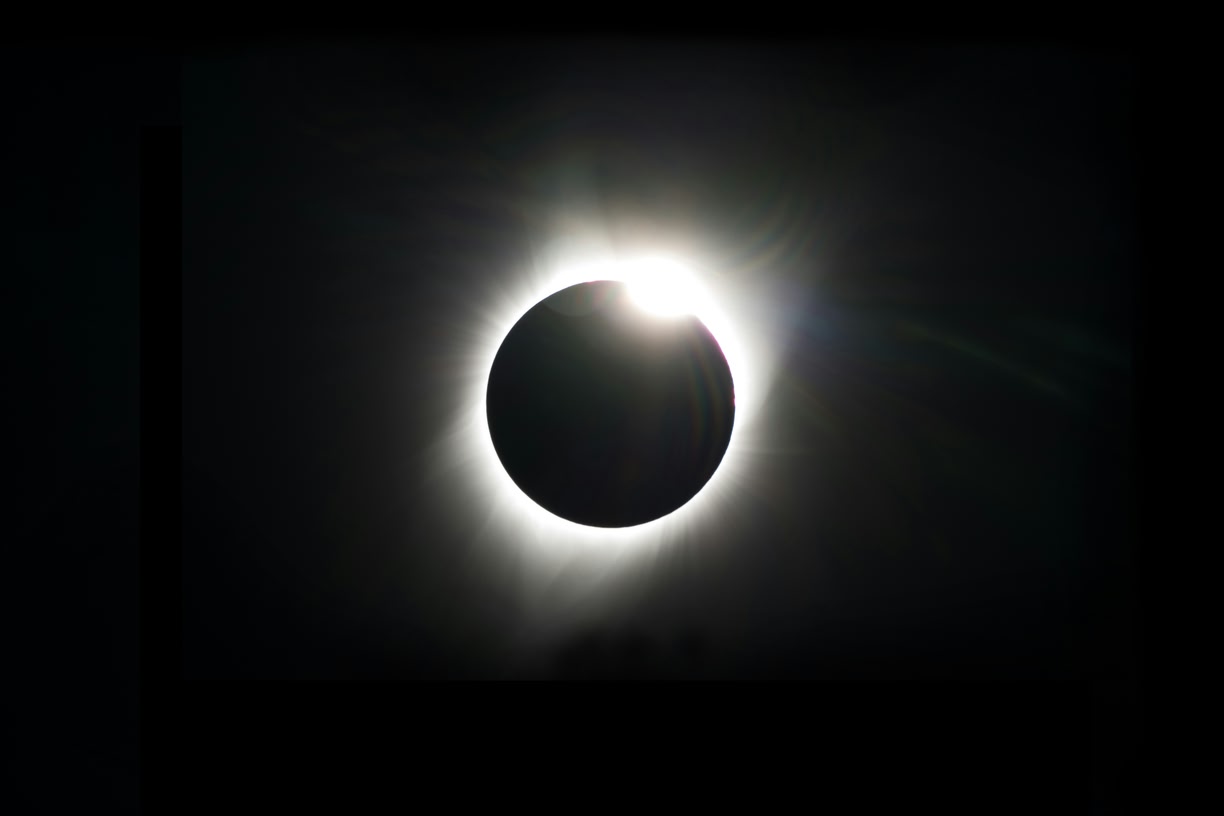
Spain is one of the best places to experience the 2026 eclipse but it won’t be totally visible everywhere. We’ll help you pick the right spot.
There are trips you plan around beaches, food and weather. And now, there's a trip to plan around approximately two minutes of darkness. This August, a total solar eclipse will be completely visible from select spots in Europe for the first time in almost 30 years and it could attract millions of travellers to the continent.
The path of totality, which is the narrow stretch of land where the eclipse will be seen in full, will cross Spain, the nearest destination from the UK from where totality is visible, as well as part of Portugal, Iceland and Greenland. And while Iceland will also be a brilliant option for astro-tourism enthusiasts, specifically around Reykjavík, Reykjanes, Snæfellsnes and the Westfjords, in Spain, timing will add to the spectacle. Here, the solar eclipse will take place just before sunset, creating a rare double-twilight effect before preceding the Perseids meteor shower, turning this fleeting moment into a, once-in-a-generation trip you’ll never forget. As long as you’re in the right spot.
Where Can You See the Solar Eclipse in Spain in 2026?
You can see the solar eclipse 2026 in Spain from across the country, but the total blackout of the sun will only be visible inside the path of totality across northern Spain and the Balearic Islands. For a complete lights-out moment, the European Space Agency recommends select destinations, including A Coruña, Bilbao, Zaragoza, and Valencia on mainland Spain, as well as parts of Mallorca and Ibiza.
Destination | Eclipse visibility | Nearest airport |
A Coruña, Galicia | Totality | There are no direct flights from the UK so travellers will need to stopover in Madrid or Barcelona |
Bilbao, Basque Country | Totality | Direct flights from London, Manchester and Bristol |
Zaragoza, Aragon | Totality | Direct flights from London |
Valencia, Valencia | Totality | Direct flights from Birmingham, London, Edinburgh, Nottingham, Bristol and Manchester |
Castellón de la Plana, Valencia | Totality | Castellón–Costa Azahar Airport (CDT) Direct flights from Manchester and London |
Soller, Mallorca, The Balearic Islands | Totality | Palma de Mallorca Airport (PMI) Direct flights from various UK airports |
Ibiza town, Ibiza, The Balearic Islands | Totality | Direct flights from various UK airports |
León, Castile and León | Totality | There are no direct flights from the UK so travellers will need to stopover in Barcelona |
Burgos, Castile and León | Totality | There are no direct flights from the UK so travellers will need to stopover in Barcelona |
Santander, Cantabria | Totality | Seve Ballesteros-Santander Airport (SDR) There are no direct flights from the UK so travellers will need to stopover in Barcelona, Madrid or Ibiza |
Cuenca, Castile-la mancha | Totality | Madrid-Barajas Adolfo Suárez Airport (MAD) Direct flights from various UK airports |
Oviedo, Asturias | Totality | Direct flights from London and Aberdeen |
Madrid, Madrid | Only partially visible | Madrid-Barajas Adolfo Suárez Airport (MAD) Direct flights from various UK airports |
Barcelona, Catalonia | Only partially visible | Josep Tarradellas Barcelona-El Prat Airport (BCN) Direct flights from various UK airports |
Seville, Andalucia | Only partially visible | Direct flights from London, Manchester, Bristol |
Cordoba, Andalucia | Only partially visible | There are no direct flights from the UK so travellers will need to stopover in Barcelona |
The Canary Islands | Only partially visible | Direct flights from multiple UK airports to aiports across the islands |
Because the eclipse will occur before sunset, the position of the sun will be low in the sky, so your exact viewing spot matters. Consider car hire so you can find somewhere with a clear view towards the western or north-western horizon, and avoid narrow streets, tall buildings, trees or hills that could block the final moments of totality.
When Is the Solar Eclipse in Spain in 2026?
The solar eclipse in Spain is set to take place in the evening on Wednesday 12 August. According to the European Space Agency and Spain’s Instituto Geografico Nacional, destinations that fall within the path of totality will experience the eclipse between 8.26pm - 8.33pm CEST with total darkness lasting just under two minutes. As exact eclipse timings can vary by a few seconds depending on your precise viewing point, check an official interactive eclipse map before booking or choosing where to watch. Here are some estimations according to Spain’s Instituto Geografico Nacional
Santander | 20:26 | 1h 48mins |
A Coruña | 20:27 | 1h 51mins |
Bilbao | 20:27 | 1h 48mins |
Oviedo | 20:27 | 1h 49mins |
Zaragoza | 20:28 | 1h 46mins |
León | 20:28 | 1h 49mins |
Burgos | 20:28 | 1h 48mins |
Sóller (Mallorca) | 20:30 | 1h 44mins |
Castellón de la Plana | 20:31 | 1h 45mins |
Valencia | 20:32 | 1h 45mins |
Valencia | 20:32 | 1h 45mins |
Eivissa (Ibiza) | 20:32 | 1h 44mins |
Cuenca | 20:32 | 1h 46mins |
The blackout may be brief, but the evening promises a celestial lightshow. Because this eclipse happens close to sunset in Spain, it could feel like two twilights in one evening. First, the sky darkens during totality as the moon covers the sun. Then the light briefly returns before fading again into actual sunset. This double-twilight effect is what makes the timing so special for travellers.
And the magic might not end there. The eclipse falls around the peak of the Perseids meteor shower this year, so travellers staying overnight in darker-sky areas could pair the eclipse with late-night shooting stars.
Where Is the Best Place in Spain to See the Eclipse?
The best place to see the 2026 solar eclipse in Spain depends on the kind of trip you want to build around it. From coastal cities in the north, to the beautiful balerics and open pastures in-between, there’s a wealth of options to consider.
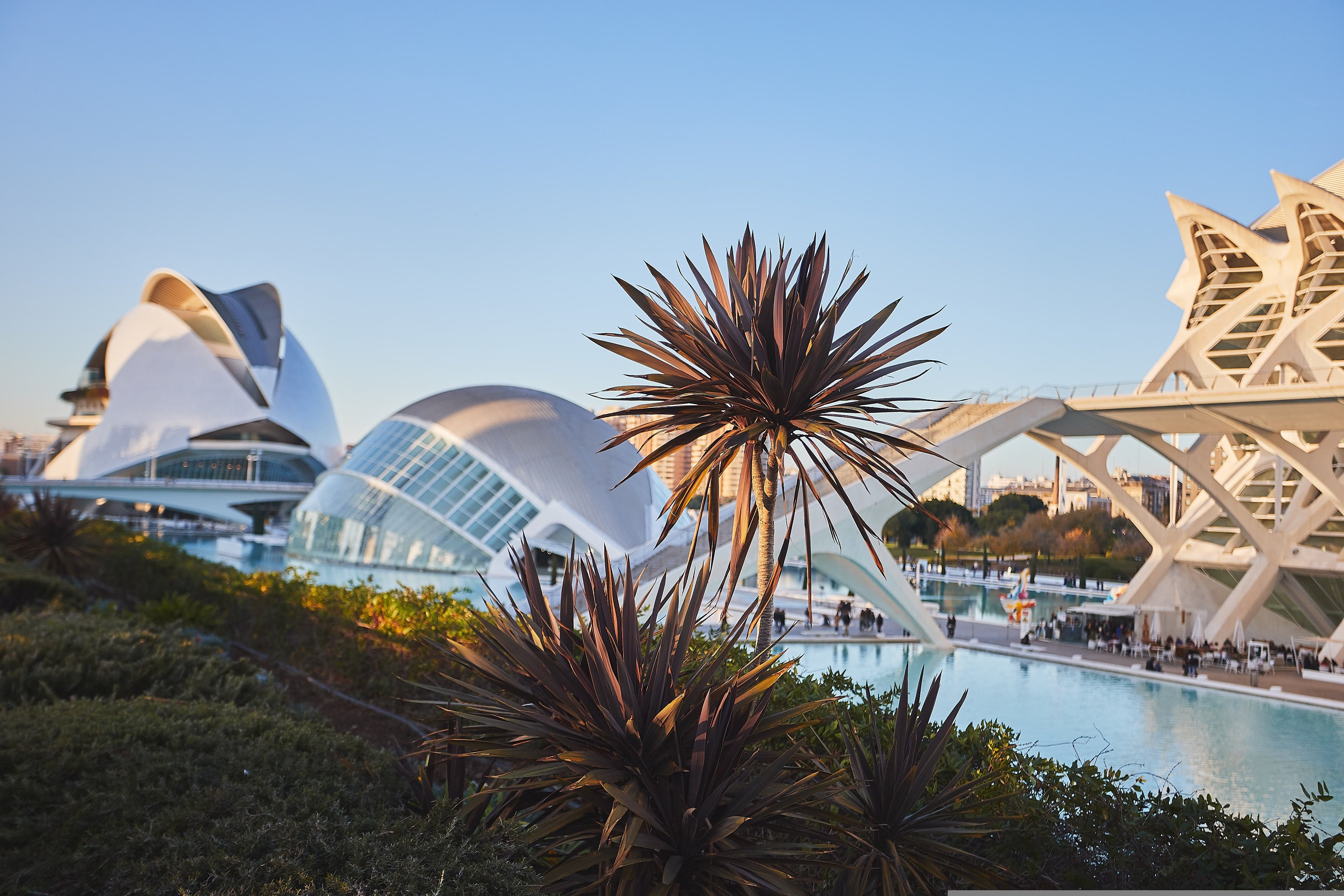
Valencia
Incredibly strong all-rounder: totality, direct flights and paella!
Valencia is one of the strongest eclipse destinations because it combines totality with direct flights, beaches and platefuls of paella. For the main event, head to open spots such as Playa de la Malvarrosa or La Muntanyeta dels Sants in Albufera Natural Park, but arrive early as both are likely to be popular viewing points.

Sóller, Mallorca
The best Balaeric island for eclipse and sunset views
Sóller is one of Mallorca’s strongest eclipse bases, thanks to its west-coast setting, mountain scenery and access to elevated viewpoints around the Tramuntana. Scout west-facing spots near Port de Sóller, Deià, Valldemossa or Banyalbufar, where the low evening sun offer a better chance of unobstructed views. As accommodation in and near Sóller is at capacity during the dates of the eclipse, you could stay elsewhere on the island and rent a car to get to areas near Sóller for the event itself.

Zaragoza, Aragón
For unmatched views from the Ebro Valley
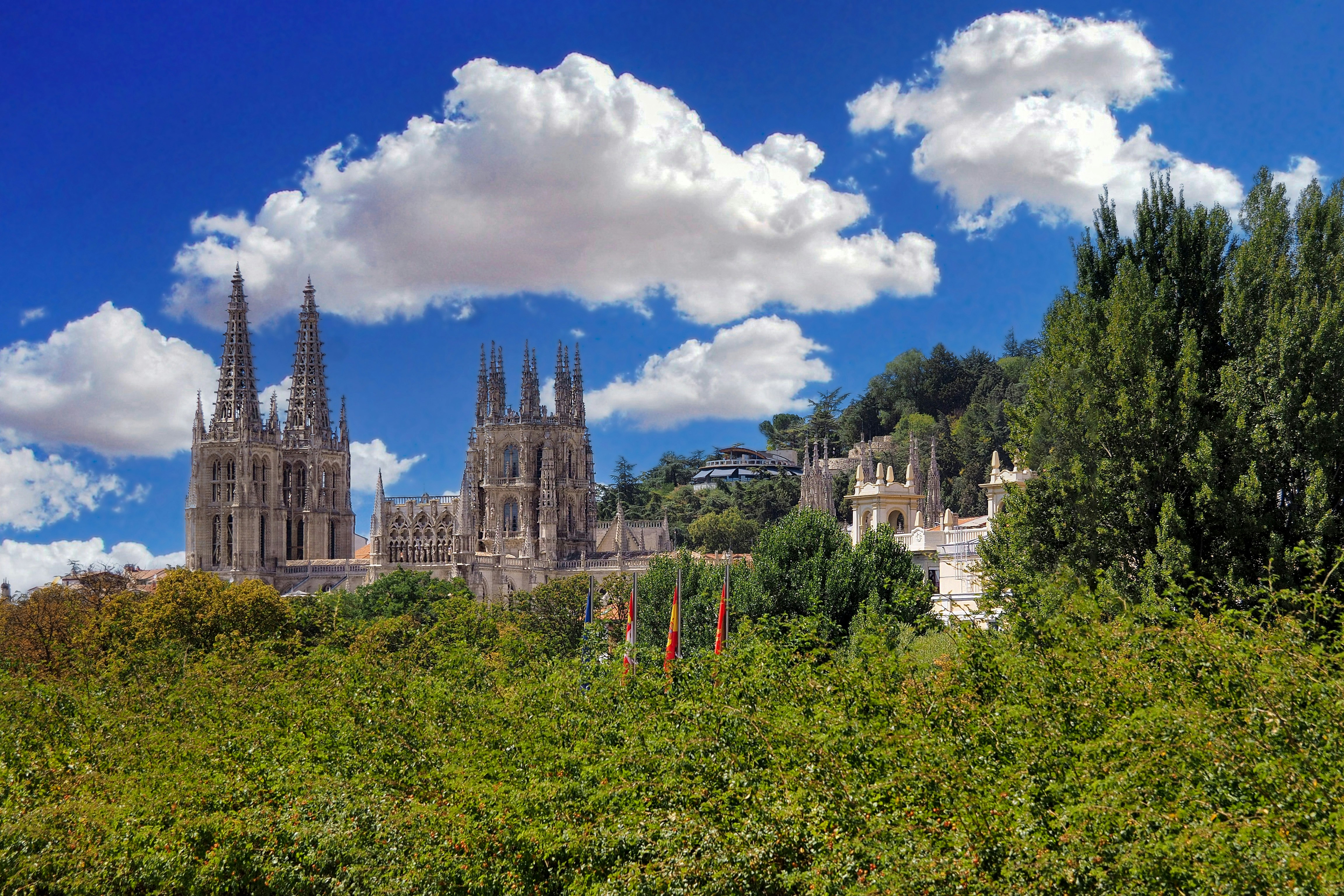
Burgos, Castilla y León
Excellent countryside base with a rich culinary heritage
Burgos is a historic inland city known for its towering Gothic cathedral and proud medieval food culture. It’s a strong contender for eclipse travellers, acting as a gateway to Spain’s deep countryside, where flatter landscapes in neighbouring smaller towns could offer some of the clearest, least interrupted views of the low evening sun.

A Coruña, Galicia
Perfect north-west position and within the line of totality
A Coruña is port city where you should be prepared to be blown away by excellent Galician seafood dishes. It sits on the country’s north-western edge and within the path of totality, making it one of the best places to experience the 2026 eclipse in Spain. However, do be picky with your seafront spot. Because the eclipse happens close to sunset, the sun will be low so make sure you have a clear horizon for the best views.

Eivissa, Ibiza
All the perks of Mallorca but August is peak travel season
Eivissa is a strong Balearic choice because its west and south-west coast already has natural eclipse-viewing terrain: coves, cliffs and headlands facing the low evening sun. Look around Cala Comte, Cala d’Hort, Cala Benirràs or the Es Vedrà viewpoints, but plan ahead: August is peak season, and the best-known sunset spots are likely to get busy.
How to Get to Spain for the Eclipse
The easiest way to get to Spain for the 2026 eclipse is to fly into the closest airport to your chosen viewing base, but don’t search one route in isolation. Some destinations have direct flights from the UK, while others are easier to reach by flying into a bigger hub such as Madrid or Barcelona, then continuing by train, car hire or a domestic connection.
Use Skyscanner to compare flights to Spain across nearby airports, not just the obvious city.
When Should You Book Flights and Hotels for the Eclipse?
According to Skyscanner data, eclipse-seekers should book flights and accommodation for the 2026 solar eclipse in Spain by the end of June 2026 at the latest. Travel demand usually rises sharply in the final 4–8 weeks before a major event, and the eclipse falls during peak summer season for destinations such as Mallorca, Valencia and Ibiza so planning ahead is key.
Use Skyscanner to compare flights across nearby airports rather to give yourself more options.
What Else Is Worth Doing Near the Eclipse Path?
Spain’s path of totality cuts through very different travel regions across the country, encapsulating Mediterranean beaches and Balearic viewpoints to inland cathedral cities and food-rich culture hubs. If you want to use the 2026 eclipse in Spain as a springboard for a longer break, here’s a few ways you could do it:
Valencia and its surrounding villages

A historic Mediterranean trading hub defined by its architecture, Valencia's UNESCO-listed, La Lonja de la Seda shows off the city’s silk-trade wealth, while the cathedral layers Roman, Islamic and Gothic history in one building. The Central Market is worth visiting for fresh horchata alone, a creamy local drink made from tiger nuts and usually served with long, sugar-dusted pastries called fartons. And surely you didn’t think we’d forget about the City of Arts and Sciences, did you? Its futuristic white structures show Valencia at its most cinematic. Valencia is also the home of paella, but the region is also known for fideuà, a seafood noodle dish from nearby Gandia. Hire a car and spend a day threading together villages around Albufera Natural Park, or to explore more inland. Xàtiva, Bocairent and Chulilla, offer castles, stone streets and gorge walks - a rural contrast to the coastal city.
Sóller and western Mallorca:

Sóller is for travellers who want Mallorca’s west coast rather than its busier resort towns. The town sits in a valley shaped by orange and lemon groves, and features a photogenic vintage tram that runs down to Port de Sóller, a quaint harbour where you’ll find impeccable seafood restaurants and boat trip starting-points for lazy days on the water. Serra de Tramuntana, a mountain range that runs along Mallorca’s north-west coast is worth exploring for cliff views and stone villages. And no visit is without a dip in a cala or two. Cala Deià is a small rocky cove below the eponymous village, while Sa Calobra is a dramatic beach-and-canyon day trip idea. Hire a car if you can, as it makes it easier to reach small picturesque villages like Fornalutx, coves and viewpoints such as Mirador de ses Barques without relying on busy summer buses.
Zaragoza and wider Aragón to Bardenes Reales

Zaragoza's key attractions sit in or near the old town, making it easy to explore on foot. The Basilica del Pilar sits right on the Ebro, with domes and towers best appreciated from the opposite riverbank, while the Aljafería Palace adds a completely different side of the city: Islamic-era courtyards, carved plasterwork and horseshoe arches inside an 11th-century fortified palace. There’s also La Seo, Zaragoza’s cathedral, which mixes Romanesque, Gothic, Mudéjar, Renaissance and Baroque styles all under one roof. South of the city, you'll find Cariñena, one of Spain’s oldest wine regions, where you can visit local vineyards, or drive to Bardenas Reales in nearby Navarre instead, for scenic routes through semi-desert ravines. You may even recognise it as the Dothraki Sea from Game of Thrones, but don’t worry, there are no dragons there this time of year. The surrounding area here could also work well for travellers hoping to catch the Perseids. While the natural park closes before nightfall, nearby Ribera de Navarra villages such as Arguedas, Ablitas or Buñuel, are set up for darker-sky viewing.
Burgos and Castilla y León

Burgos is a solid choice for Gothic architecture, hearty regional food and historic towns. The cathedral is the initial draw, with its lace-like stonework, sculpted doorways, and ornate towers that dominate the skyline of the old town. Food is another reason to stay. Absolute musts are the morcilla de Burgos, a rice-based black pudding, lechazo asado, slow-roasted suckling lamb, and queso de Burgos. All with a side of a Ribera del Duero red. With a car, the province opens up to Lerma, home to a grand ducal palace which has been converted to a lavish hotel which serves up regional delicacies in its upscale restaurant. Covarrubias, a gorgeous small town known for timber-framed houses, medieval streets and during summer, a small riverside beach to cool off. And close by there's also Santo Domingo de Silos, an unmissable Romanesque cloister known for its gregorian chanting - an atmospheric way to start off your Sunday if you’re interested in joining mass. Additionally, Atapuerca is reachable and adds real depth if you want prehistoric sites rather than another pretty town.
Eivissa and wider Ibiza

Eivissa is a good choice if you want a compact island break without trying to cover every corner of Ibiza. Spend time in Dalt Vila, the fortified old town, where the cathedral, ramparts and steep lanes show a more historic side of the island, then, it's beach time. Choose between Cala Comte for clear water and easy swimming, Cala d’Hort for views of Es Vedrà, or Benirràs if you want a more rugged north-coast setting. Add Santa Gertrudis for an inland village stop with restaurants, galleries and independent shops, and food-wise, look for flaó, Ibiza’s mint-and-cheese dessert.
How to Watch the Solar Eclipse Safely
To watch the 2026 solar eclipse in Spain safely, make sure to protect your eyes before and after the event. The only time it is safe to look without eclipse glasses is during the brief moment of totality, when the sun is fully covered. However, anytime else, including partial-eclipse locations, eye protection is essential. Here are three recommended tips from the European Space Agency (ESA):
Use proper eclipse glasses — not sunglasses.
Regular sunglasses are not safe for looking at the sun. Use solar eclipse glasses or a handheld solar viewer designed for eclipse observation. ESA advises using protective glasses made specifically for solar eclipse viewing, not ordinary sunglasses.
Only remove glasses during totality.
If you are inside the path of totality, you can remove your glasses only during the short period when the sun is fully covered. Put them back on as soon as the sun starts to reappear. If you are outside the path of totality, keep them on the whole time.
Use a pinhole projector if you do not have glasses.
A pinhole projector lets you watch the eclipse indirectly by projecting the sun’s shape onto a surface. ESA describes projection as a safe way to observe the sun, so this is a good backup if you cannot get proper eclipse glasses.


