
Travel requirements to the Philippines for British citizens
If you're travelling from the United Kingdom to the Philippines, the first step is understanding the visa requirements. Securing the right visa makes your entry into the Philippines as smooth as possible. Let's explore all the necessary travel documents, visa types, and health requirements for British citizens visiting the Philippines.
Philippines visa requirements for British citizens
Travellers don't need a visa for Business or Tourism stays up to 30 days. A visa is required for longer stays. All travellers must complete the immigration and health arrival card (eTravel form) before departure to the Philippines.
The form must be completed within 72 hours of arrival and will generate a QR code to present at check-in and on arrival.
Travellers who are Filipino citizens or Balikbayans can enter the Philippines without a visa and stay for up to one (1) year. To qualify, they must have a passport that is valid for at least six months beyond their intended stay in the Philippines, as well as proof of their Philippine citizenship, such as an old Philippine passport or a PSA-authenticated birth certificate. Travellers are not required to present return or onward tickets upon entering the Philippines.
Foreign spouses and children of Filipino citizens or Balikbayans can also take advantage of this privilege if they are travelling with their Filipino citizen or Balikbayan spouse/parent. They must present proof of their relationship, such as a marriage certificate for the spouse and a birth certificate for the children.
Travellers require proof of a ticket showing their entrance and exit from the Philippines.
This requirement doesn’t apply to the following travellers:
- Nationals of the Philippines
- Foreign nationals residing in the Philippines
- Arriving Balikbayans, including Filipino citizens abroad and former Filipino citizens, and their accompanying spouses and children.
Travellers need a valid passport to enter Philippines. The traveller's passport must remain valid for at least 6 months after the traveller departs from Philippines.
Travellers should consider:
- Hepatitis A and Hepatitis B vaccines
- Typhoid vaccine for visits to smaller cities or rural areas
- Routine vaccines including Measles
- Japanese Encephalitis vaccine for extended stays or rural activities (not recommended for short-term travel to urban areas or travel to areas with no clear Japanese Encephalitis season).
Additional vaccine recommendations may apply. Consult your healthcare provider and check the source for details.
Exploring more visa-free destinations for British citizens

Costa Rica
Travel requirements
Cyprus
Travel requirements
Czechia
Travel requirements
Curacao
Travel requirements
Taiwan
Travel requirements
France
Travel requirements
United States
Travel requirements
Suriname
Travel requirements
Spain
Travel requirements
Brunei
Travel requirements

China
Travel requirements
Aruba
Travel requirements
Trinidad and Tobago
Travel requirements
Mexico
Travel requirements
Norway
Travel requirements
Germany
Travel requirements
Singapore
Travel requirements
Sweden
Travel requirements
Romania
Travel requirements
Poland
Travel requirements
Portugal
Travel requirementsPhilippines
Travel requirements
Netherlands
Travel requirements
Malta
Travel requirements
Latvia
Travel requirements
Luxembourg
Travel requirements
Kenya
Travel requirements
Lithuania
Travel requirements
Italy
Travel requirements
Iceland
Travel requirements
Hungary
Travel requirements
Croatia
Travel requirements
Estonia
Travel requirements
Greece
Travel requirements
Finland
Travel requirements
Denmark
Travel requirements
Switzerland
Travel requirements
Bulgaria
Travel requirements
Belgium
Travel requirements
Bermuda
Travel requirements
Austria
Travel requirements
Barbados
Travel requirements
Qatar
Travel requirements
Tunisia
Travel requirements
Ecuador
Travel requirements
Chile
Travel requirements
Japan
Travel requirements
Antigua and Barbuda
Travel requirements
South Africa
Travel requirements
Jamaica
Travel requirements
Canada
Travel requirements
Mauritius
Travel requirements
Argentina
Travel requirements
Ireland
Travel requirements
Zambia
Travel requirements
Vanuatu
Travel requirements
Thailand
Travel requirements
El Salvador
Travel requirements
Seychelles
Travel requirements
Panama
Travel requirements
Nicaragua
Travel requirements
Malaysia
Travel requirements
South Korea
Travel requirements
Guatemala
Travel requirements

Cape Verde
Travel requirements
Brazil
Travel requirements
Bolivia
Travel requirements
British Virgin Islands
Travel requirements
Uzbekistan
Travel requirements
Uruguay
Travel requirements
Sint Maarten
Travel requirementsTürkiye (Turkey)
Travel requirements
Serbia
Travel requirements
Puerto Rico
Travel requirements
New Zealand
Travel requirements
Montenegro
Travel requirements
Morocco
Travel requirements
Kazakhstan
Travel requirements
Cayman Islands
Travel requirements
Saint Kitts and Nevis
Travel requirements
Hong Kong
Travel requirements
Gibraltar
Travel requirements
Georgia
Travel requirements
Colombia
Travel requirements
Dominica
Travel requirements
Botswana
Travel requirements
Belize
Travel requirements
Bosnia and Herzegovina
Travel requirements
Bahamas
Travel requirements
Armenia
Travel requirements
Albania
Travel requirementsSelect your passport to explore visas and travel requirements by country
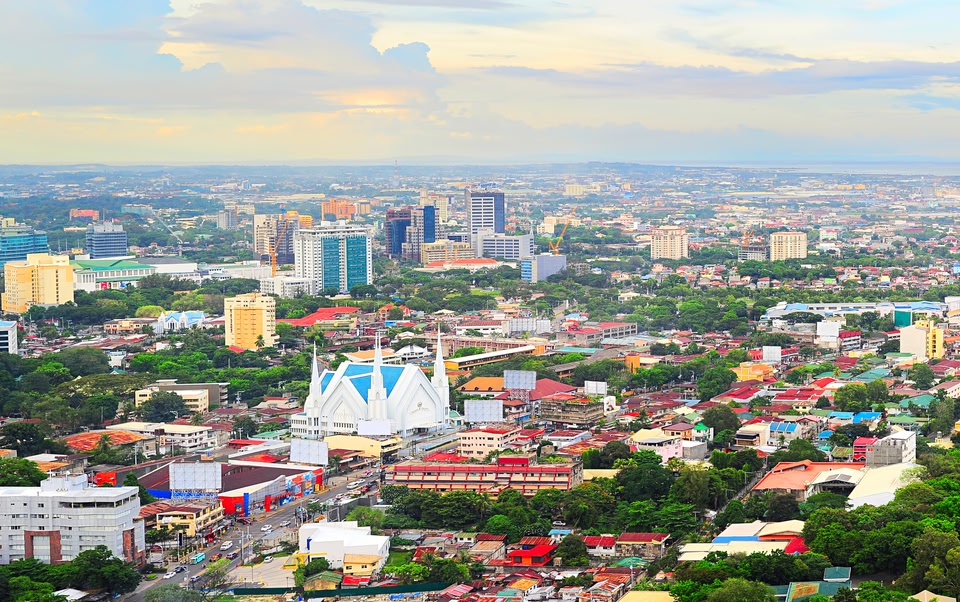
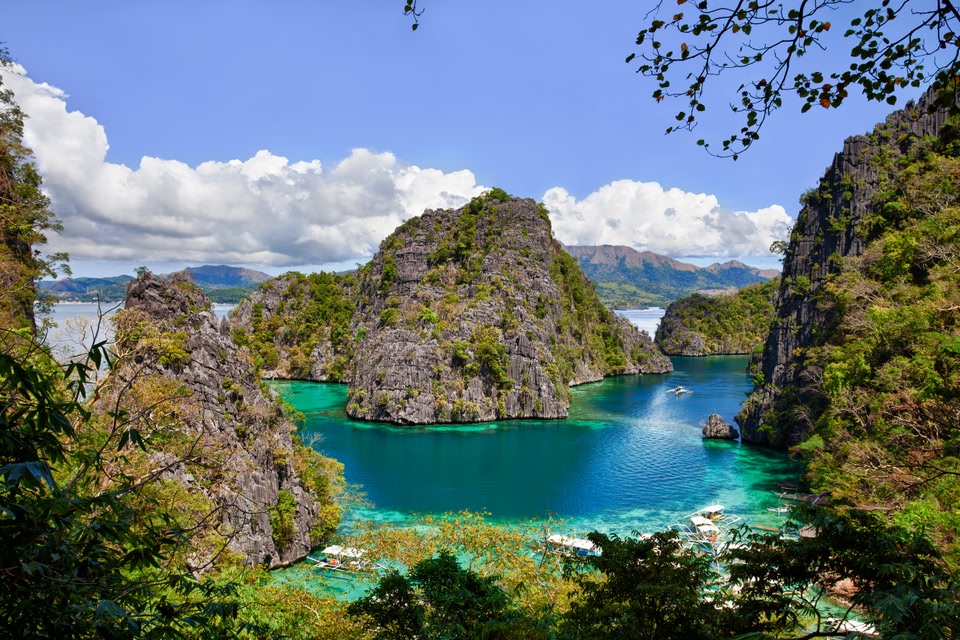
Popular destinations in the Philippines





Visa FAQs: For British citizens travelling to the Philippines
- Health screening: While not always required, officials might ask for a health certificate or a medical exam upon arrival. This is more likely if you're coming from an area with a health outbreak or if you show signs of illness.


