What is the EU Entry/Exit System (EES), and what does it mean for UK travellers
What is the EU Entry/Exit System (EES)?
The Entry/Exit System (EES) is part of a two-pronged approach that the EU is taking to digitalise its borders, which means new travel rules for non-visa nationals visiting the Schengen Area. That includes us Brits (unless you’re not a short-stay tourist or have EU residency. If either one of these conditions applies to you, you’re exempt from EES registration but will need to go to a border agent to prove your exemption).
Together with ETIAS, which is expected to come into force at the end of 2026, British passport holders should know how entry into the Schengen Area is evolving, and what will change for UK travellers visiting and transiting through the EU.

What’s changing for UK travellers with the Entry/Exit system:
The EES is the first of those changes. While mandatory, there’s no cost for UK travellers using the Entry/Exit system, nor is there any documentation to fill out or steps to take beforehand to prepare for entry under the new Schengen entry-exit system rollout. However, the EES will change how arrival and departure into Europe is recorded and tracked:
Fingerprints and photos will be taken at entry points across 29 states, the majority of which are EU territories and countries but also includes some countries that are solely within the Schengen Area
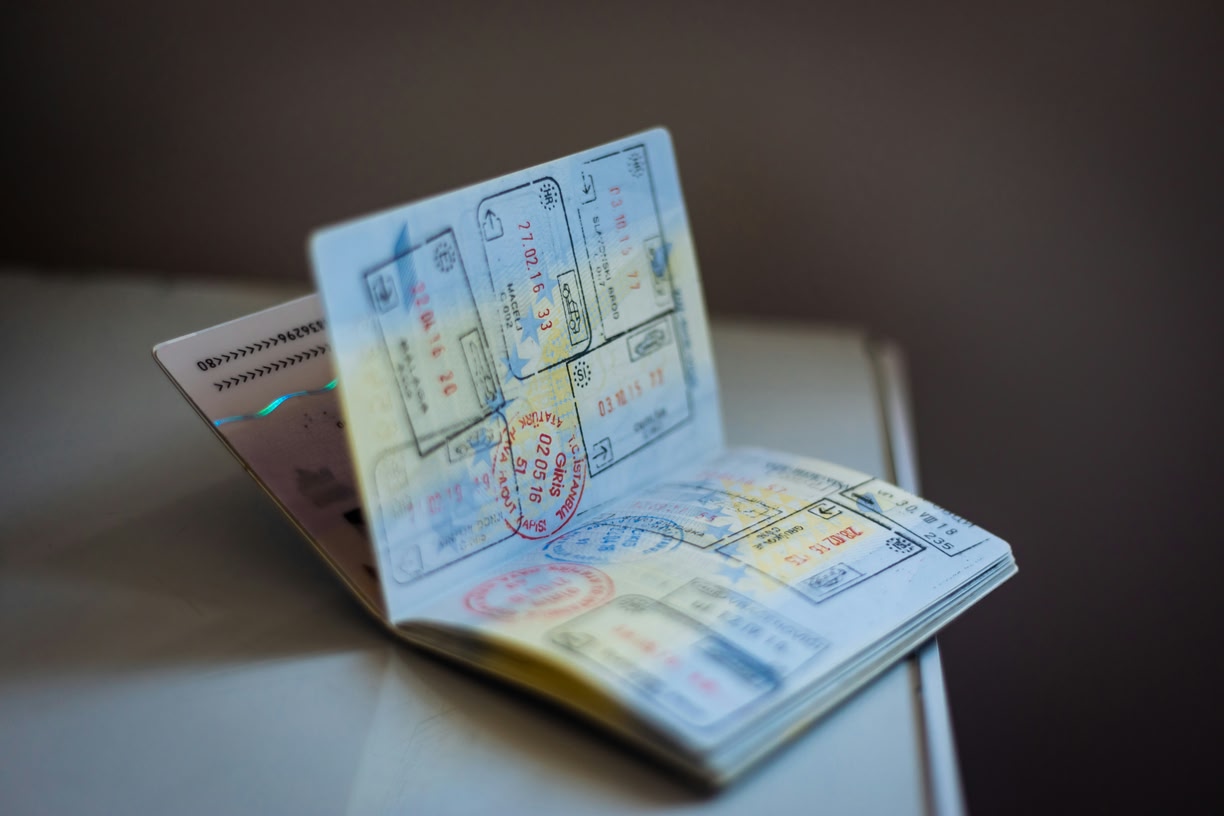
Manual passport stamps will be replaced with digital registration linked to your passport at border points.
However, while the EES is an electronic border management system, it is NOT the same as UK e-gates. Rather than an automated gate, when EES is rolled out, it could involve kiosks, staffed desks, or hybrid setups, depending on where you’re entering from.
What’s staying the same with EES for UK travellers:
The EES doesn’t change where UK travellers can visit within the EU
The EU Entry/Exit System has no impact on the existing 90 days in any 180-day period rule for Brits travelling for short stays
What’s out with the new Entry/Exit System | What’s in with the new Entry/Exit System |
|---|---|
Physical passport stamps | Digital entry and exit records |
Manual tracking of stays | Automated 90-day calculation |
Physical stamps in passport as proof of entry | Biometric verification (photo and fingerprints) |
Border records held locally | Centralised electronic system |

When is the EU’s Entry/Exit System coming into use?
The EES has been operational from October 2025, and will continually roll out across all EU land, sea and air borders throughout the Schengen Area, with full implementation expected by 10 April 2026.
Until it's fully operational everywhere, UK travellers should expect each border point to carry out non-standardised EES launch plans, such as introducing a phased approach to the various aspects of the Entry/Exit System. For example, you might not have your photo and fingerprints taken at every border crossing, or your passport might be stamped physically as done previously, but you also might need to have your biometrics recorded. Until the Entry/Exit System is fully rolled out, travellers could face:
Potential delays on entry
A varied experience each time you visit:
A different EU country within the Schengen Area
Different border controls within the same country, i.e. Barcelona Airport and Madrid Airport
A varied experience even if you travel to the same airport multiple times
How does the Entry/Exit System work?
When fully operational, you’ll need to scan your passport upon entry and your arrival and departure will be digitally recorded each time you travel to areas where EES is enforced.
The first time you enter via the Entry/Exit System, a digital record will be created via a photo taken of you at the border and your fingerprints. Your biometrics along with your entry and exit dates will be linked to your passport for automatic monitoring, to ensure the allocated time period isn’t exceeded during your trip, and the record will be valid for 3 years.
Your biometric data remains stored for three years, but you will not need to complete a full registration again. This means that while your identity will be identified via the photo and fingerprints given on your first visit after the EES roll out, you won’t need to do this again until your record is automatically destroyed, after three years.
A typical trip under the new European Union Entry/Exit System will look something like this:
What UK travellers should expect under the EES:
Before you travel
Make sure your passport is valid for travel to the Schengen Area and that it meets entry requirements:
It must be valid for travel, i.e. For UK passport holders, you must have at least 3 months left before the expiry date and the date you plan to leave the EU and the passport should be less than 10 years old
It must be a biometric passport. As these were introduced in the UK from 2006 (double-check by ensuring your UK passport has a gold camera-like symbol on the front cover)
Ensure you are travelling within the permitted 90 days in any 180-day period for short stays. The new Entry/Exit System automatically calculates how long you have been in the EU, so if the limit has been exceeded, the system will likely flag this to border agents.
Your first visit after EES is introduced
Present your passport at a self-service kiosk or to a border officer, depending on the location.
Your passport details will be recorded digitally.
A facial image will be taken.
If you are aged 12 or over, your fingerprints will be collected.
Instead of receiving a physical passport stamp, your entry will be registered electronically.
Returning to the EU within three years
Present your passport at a self-service kiosk or to a border officer, depending on the location.
Your passport will be scanned, and your digital record will be verified.
If your record has expired, or you cannot be matched, you may be asked to provide biometrics again.
Your record is linked to your passport, so if you replace it before the 3-year mark, you’ll need to re-register your biometrics with your new passport upon entry.
Where the Entry/Exit System applies
The EU Entry/Exit System applies to non-EU nationals entering external Schengen borders for short stays. So you don’t have to register if you’re travelling through Europe and are at a border crossing within the Schengen Area, i.e. between France and Spain. You register your biometrics with your passport details when you first enter the Schengen Area following the EES roll-out, and then every 3 years after the initial entry.
Remember, not every country in Europe nor every EU member state is part of the Schengen Area. EES only applies within the Schengen Area:
EES operational countries for UK travellers to be aware of: | EU countries where the Entry/Exit System will not apply: |
|---|---|
Austria | Cyprus |
Belgium | Ireland |
Bulgaria | |
Croatia | |
Czech Republic | |
Denmark | |
Estonia | |
Finland | |
France | |
Germany | |
Greece | |
Hungary | |
Iceland (not an EU member but part of the Schengen Area) | |
Italy | |
Latvia | |
Liechtenstein (not an EU member but part of the Schengen Area) | |
Lithuania | |
Luxembourg | |
Malta | |
Netherlands | |
Norway (not an EU member but part of the Schengen Area) | |
Poland | |
Portugal | |
Romania | |
Slovakia | |
Slovenia | |
Spain | |
Sweden | |
Switzerland (not an EU member but part of the Schengen Area) |

What are the new EU travel rules for 2026?
European borders are becoming digital and as part of this, a couple of new EU travel rules are being introduced for non-EU visitors. UK travellers and British passport holders travelling to the countries where these new rules apply will need both:
The Entry/Exit System (EES): This is a digital border registration system that applies to non-EU nationals such as British passport holders travelling to Europe for short stays.
ETIAS: This is a digital travel permit expected to launch in the last half of 2026. It will be an authorisation that UK travellers will need to apply for and be granted before travelling to Europe. It’s not a visa, but it is a pre-travel requirement proving that you have permission to travel to EU countries. (Think of it like the UK ETA for non-British travellers travelling to the UK for short stays).
EES VS. ETIAS: What’s the difference?
Entry/Exit System | ETIAS |
|---|---|
The EES changes how your entry and exit are recorded and monitored. | This is a pre-travel authorisation . |
There is no separate application or fee for EES. | The ETIAS will cost €20 and need to be paid for upon application before your trip. |
Registration takes place at the border upon entry and is linked to your passport. | Applications are made online and digitally linked to your passport. |
Rolled out across 29 countries in the Schengen Zone. | Will apply to 30 countries in Europe (the same 29 countries as the EES plus Cyprus). |
Roll out began in October 2025 and will continue until 9th April 2026. | Expected to launch after September 2026. |
A photo is taken at the border and if you’re 12 years old or over, your fingerprints will also be taken to create a digital record that is linked to your passport. This happens every three years. | Personal and security information is required as part of the online application. Each ETIAS is valid for three years. |

When the EES and ETIAS are both in force, UK travellers will need ETIAS approval first and then record their entry and exit via the EES at the border.
FAQs
Travelling soon? Skyscanner can help you find the best flights, hotels and car hire deals for your next trip.