
Travel to Europe is changing. With the roll out of the EU's new Entry/Exit System (EES) nearly complete, it's almost time for ETIAS travel authorisation to begin.
Together, these systems will reshape how Brits travel to Europe. Here’s what you need to know about how they work, when they start, and what to expect at the border.
What is EES (the EU Entry/Exit System)?
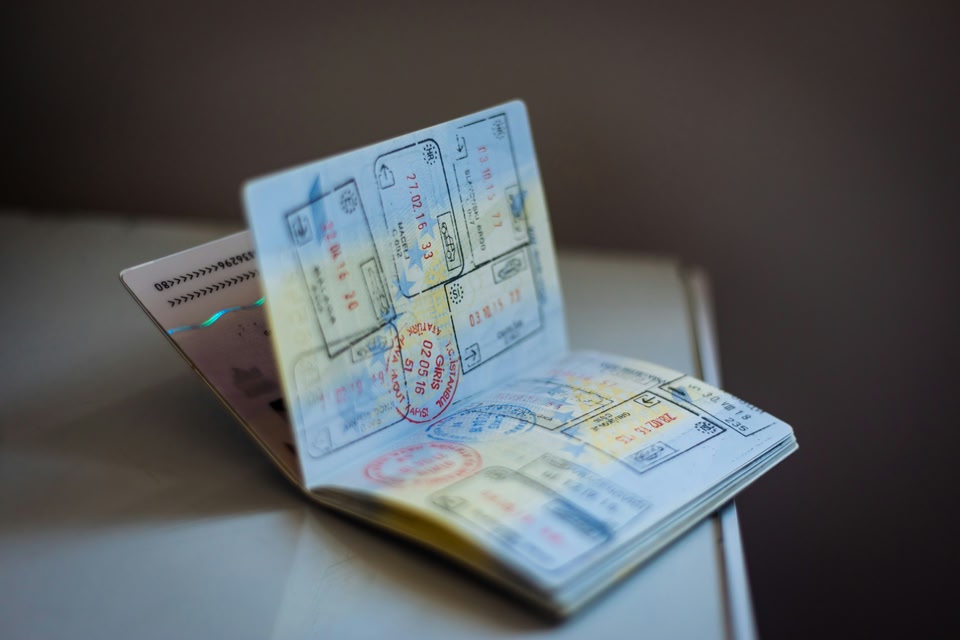
Since October 2025, the European Union began rolling out the Entry/Exit System (EES), an automated border control process that is replacing passport stamping for non-EU travellers entering or leaving the Schengen Area. Under this new system, UK travellers register their fingerprints and have a facial image captured the first time they cross an external Schengen border.
The roll-out began in October 2025 (though some airports introduced it sooner under pilot schemes), and all EU member states are required to be fully operational by 10th April 2026. Once EES is active, it will automatically record when and where travellers enter and exit the EU, making it easier to enforce the 90-days-in-180 rule.
EES is the first phase of the EU’s new digital border management system. The second phase, ETIAS, will launch later in 2026 and require UK citizens to obtain online travel authorisation before visiting most EU countries. Both systems are designed to streamline border checks and improve security, though the changes may initially cause some delays as travellers adapt.
Here’s how ETIAS fits into the picture, and what UK travellers will need to do once both systems are live.
What is ETIAS?
ETIAS (which is an acronym for the European Travel Information and Authorisation System) is not a visa, it’s a visa waiver, similar to an ESTA for entering the US.
Travellers from certain countries (including the UK) looking to enter Schengen Area countries and Cyprus for less than 90 days will need an ETIAS in order to enter.
ETIAS has been designed to improve the security of EU member states within the Schengen region, and will capture data on travellers that visit any of the 29 Schengen Area countries and Cyprus.
When does ETIAS start?
According to the EU, ETIAS will now begin sometime in the last quarter of 2026.
The visa waiver was originally due to start six months after the EU introduced the Entry/Exit System (EES), an automated system for registering non-EU nationals travelling for a short stay in the Schengen Area. However, due to delays in rolling out the EES, ETIAS has also been delayed.
The EES began operations in October 2025, while ETIAS is due to roll out in the last quarter of 2026.
ETIAS cannot take effect until EES has been implemented at all Schengen Area frontiers. These include land borders from the Norway-Russia crossing in the Arctic to the Greece-Turkey frontier in southeast Europe, as well as every airport with direct flights from the UK and other non-Schengen nations.
The Schengen Area includes all EU nations except Ireland and Cyprus.
Do I need an ETIAS to travel to Europe from the UK?
Currently, British citizens do not need a visa to enter EU countries and the ETIAS is not yet operational. The EU has announced that ETIAS is expected to be implemented in the last quarter of 2026, following the introduction of the Entry/Exit System (EES) in October 2025. However, the exact date has yet to be confirmed.
Once they confirm the date, UK travellers will need approval in order to enter any country in the Schengen Area and Cyprus.
These countries are: Austria, Belgium, Bulgaria, Croatia, Cyprus, Czechia, Denmark, Estonia, Germany, Greece, Finland, France, Hungary, Iceland, Italy, Liechtenstein, Lithuania, Luxembourg, Latvia, Malta, Netherlands, Norway, Poland, Portugal, Romania, Sweden, Spain, Slovenia, Slovakia and Switzerland.
Once both EES and ETIAS are live, you’ll need to register your biometrics once via EES and hold a valid ETIAS for entry into participating countries.
How do I apply for ETIAS?
The only way Brits will be able to apply for their ETIAS is via the official website or the ETIAS mobile app. Though approvals are intended to be quick, it may take up to 30 days to receive your ETIAS if additional checks are required. It’s therefore advisable to apply well in advance of your travel date.
To apply, you will need a valid passport with at least three months left before expiry. You’ll also need to provide some personal details as well as information about the countries you’re intending to visit.
The ETIAS travel authorisation is valid for three years (or until your passport expires) and covers all countries in the Schengen Area plus Cyprus.
If you hold both a UK and an EU passport, you do not need an ETIAS as long as you use your EU passport for entry and exit.
Applicants with a criminal record will be able to apply.
How much is an ETIAS?
An ETIAS will cost €20, unless you are under 18 or over 70 years of age, in which case it’s free. Those travellers will still need to obtain an ETIAS travel authorisation to travel, however.
In most cases, everyone will apply for their own pass, but there are cases when someone else can apply on your behalf. In cases like this, both parties will need to sign a declaration of representation.
How long can I travel in the EU on ETIAS?
While the ETIAS is valid for three years, the same rules for travelling to the EU remain in place. Brits travelling as tourists can stay in an EU country for no longer than 90 days in every 180.
You will need to apply for a specific type of visa if you want to work or study in the EU.
Will I need to apply for each country?
No, your ETIAS will be valid in all the countries outlined above. You only need to purchase one document for your trip.
However, on application, you will need to confirm which country you’ll be entering first.
Do I need travel insurance when travelling to the EU?
Travel insurance when travelling to the EU is not mandatory, however, it is recommended. As well as making sure you’ll be compensated for travel issues, loss of belongings and other frequent holiday issues, you’ll have healthcare cover.
Consider applying for the EHIC or GHIC before you depart. This can help you provide discounted healthcare while in the EU.
Who needs an ETIAS?
Citizens from visa-exempt countries will be required to obtain an ETIAS travel authorisation to enter participating European countries. See the table below for the full visa-exempt country list.
Country/territory | Country/territory | Country/territory | Country/territory |
|---|---|---|---|
Albania | Georgia | Moldova | Singapore |
Antigua and Barbuda | Grenada | Montenegro | Solomon Islands |
Argentina | Guatemala | New Zealand | South Korea |
Australia | Honduras | Nicaragua | Taiwan |
Bahamas | Hong Kong | North Macedonia | Timor-Leste |
Barbados | Israel | Palau | Tonga |
Bosnia and Herzegovina | Japan | Panama | Trinidad and Tobago |
Brazil | Kiribati | Paraguay | Tuvalu |
Brunei | Kosovo | Peru | Ukraine |
Canada | Macau | Saint Kitts and Nevis | United Arab Emirates |
Chile | Malaysia | Saint Lucia | United Kingdom |
Colombia | Marshall Islands | Saint Vincent and the Grenadines | United States of America |
Costa Rica | Mauritius | Samoa | Uruguay |
Dominica | Mexico | Serbia | Venezuela |
El Salvador | Micronesia | Seychelles |
Do EU travellers need an ETIAS or EES registration to enter the UK?
The EES and ETIAS systems are EU-only initiatives, designed for non-EU citizens entering the Schengen Area. They do not affect travel into the United Kingdom.
However, EU citizens (and travellers from most other countries) must now register for an Electronic Travel Authorisation (ETA) before travelling to the UK. The ETA is a similar pre-travel authorisation to the EU’s ETIAS, but managed by the UK government. It costs £16, is valid for multiple entries and lasts two years, or until our passport expires.
This information was correct at time of publication on 23 February 2026. Visit etias.com for the latest developments.
ETIAS FAQs
Skyscanner can help you find the best flights, hotels and car hire deals for your next trip.


