Holidays to Iceland
Top destinations in Iceland
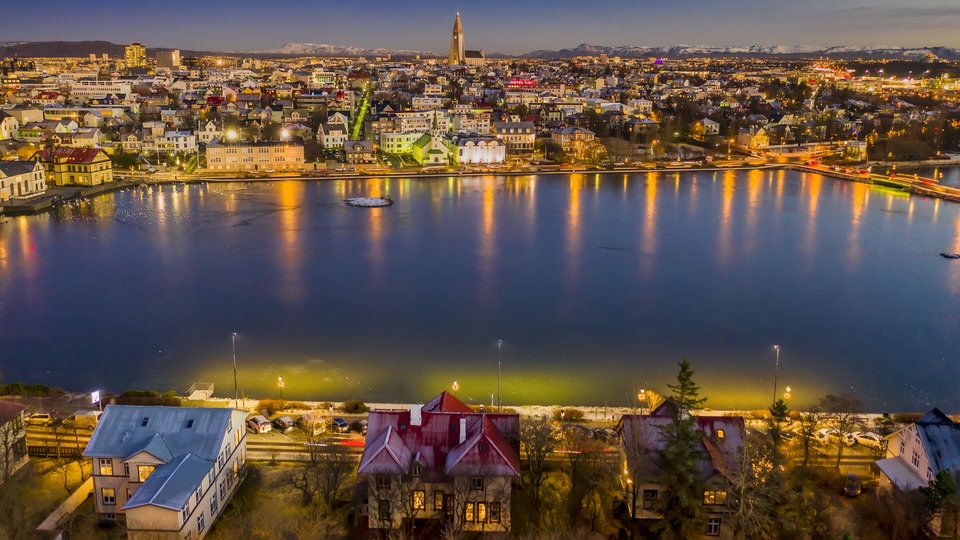
Reykjavik
The world’s northernmost capital fuses art and innovative dining. Add nightlife and shopping to your holiday, and use the city as a base to explore Iceland’s remarkable landscapes.
Iceland: fast facts
| Language | Icelandic |
|---|---|
| Currency | Icelandic krona (kr) |
| Time zone | UTC+0 (GMT) |
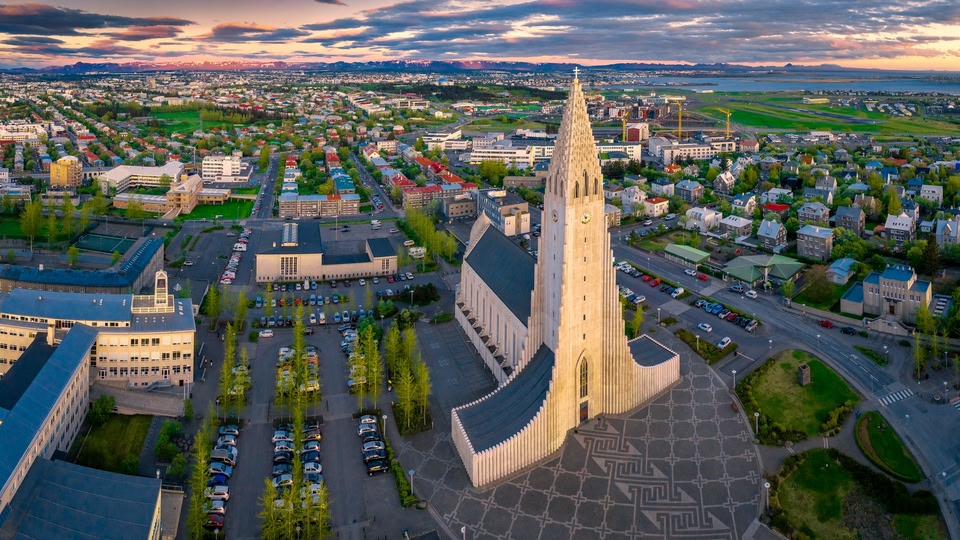
Iceland holiday highlights
Hit the open road
You could slot in a few day trips from the capital city of Reykjavik, but that would mean missing out on one spectacular road trip. It takes about a week to circle Iceland on the popular Ring Road. For a path less travelled, choose the Arctic Coast Way along the remote northern coast. Rent a four-wheel drive or camper van to explore more rugged areas.
Soak in hot springs
One of the most iconic things to do in Iceland is to enjoy a spa-like soak in nature. All the geothermal activity that takes place under the country’s surface bubbles up in natural hot springs. The most famous waters, like the Blue Lagoon and the Sky Lagoon, are part of full-service resorts. But you’ll find spots everywhere for a quick, restorative dip.
Take an epic hike
All trails here lead to something wondrous, from a lava field to a colony of adorable puffins. Don’t miss the Glymur Waterfall or Reykjadalur, a hillside hot spring beloved by locals. Þórsmörk and Laugavegur trails take several days to complete, winding through emerald-green fields and volcanic rock formations. Note that camping is only allowed in designated areas.
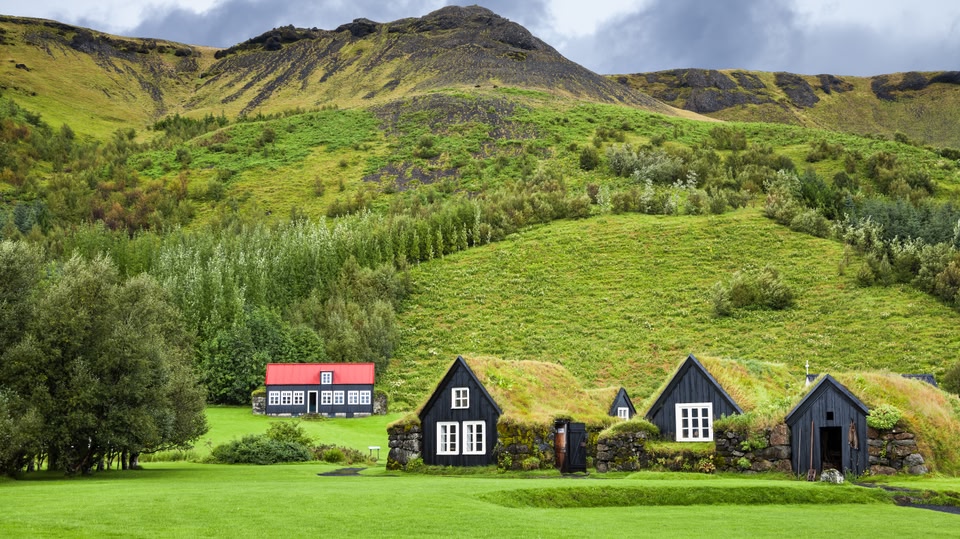
Things to do in Iceland
Top attractions
You can’t leave Iceland without soaking in the chalky, blue waters of Blue Lagoon, famed for its soothing minerals and bathwater temperatures. Get close to volcanic wonders at Geysir Geothermal Area, where you can see the mighty Strokkur geyser erupt every few minutes. Or witness the sheer force of Gullfoss Falls, one of Iceland’s most powerful cascades.
Beaches
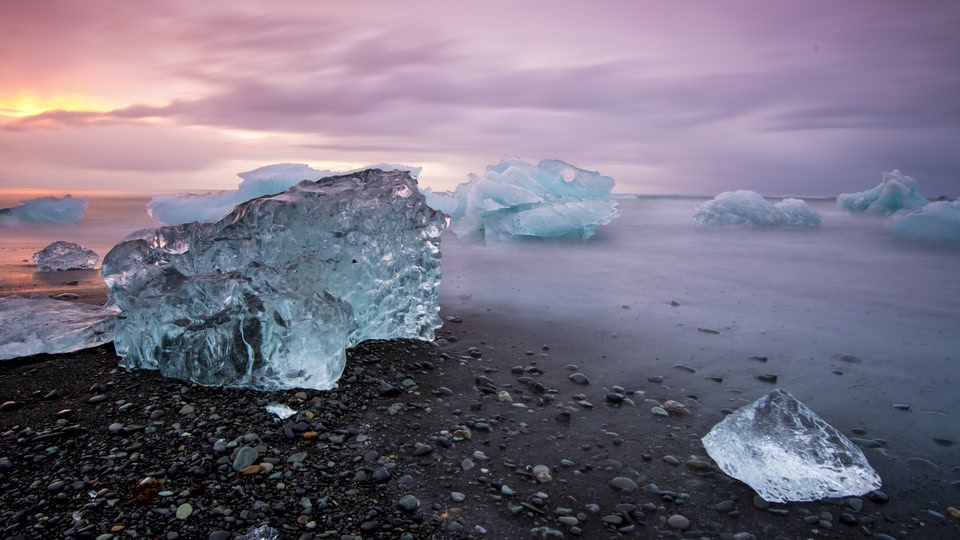
Reynisfjara is one of the most famous beaches in Iceland, known for its basalt columns and black sand. Diamond Beach sparkles with ice that’s washed up on its shore. Visit Rauðisandur Beach or Ytri-Tunga to watch seals bobbing in the surf. Up for a swim? Head to Nauthólsvík, where you can wade in a warm lagoon created by a mix of geothermal and ocean water.
Nature
For the country’s greatest natural hits, follow the route known as the Golden Circle. Highlights include the two-tiered waterfalls of Gullfoss and the Þingvellir National Park, where you can snorkel between tectonic plates. If the stunning glaciers and icy lagoons of the Vatnajökull region look familiar, it’s because it was a popular filming location in ‘Game of Thrones’.
Culture and museums
Most museums in Iceland are located in Reykjavik. The Árbær Open Air Museum is a charming recreation of a historical village. The Herring Era Museum takes on the country’s fishing culture. And in true punk fashion, the Icelandic Punk Museum is housed in a former restroom. For a more traditional museum experience, spend an afternoon at the comprehensive National Museum of Iceland.
Cuisine
The restaurants in Iceland build their menus around fresh local ingredients like cold-water fish and free-range lamb. Reykjavik’s food scene is especially buzzy, with creative new restaurants serving both Icelandic and global fare. Don’t leave without trying some of the country’s classics like tender Icelandic lobster, creamy ‘skyr’ (a type of yoghurt) and rye bread with smoked lamb.
Family friendly
Give the whole family a history lesson at Reykjavik’s Saga Museum, which brings Iceland’s history to life with figurines and audio guides. Get to know the local wildlife on the Vatnsnes Peninsula, where you can spot seals year-round. Or, from April to September, join a whale-watching tour from Reykjavik. Bringing older kids? Take a guided hike on Sólheimajökull glacier.
Find the best time to visit Iceland
Weather in Iceland
April – May: Iceland’s short spring enjoys fewer crowds and temperatures that are just warm enough for sightseeing. It also marks the start of whale-watching season.
June – August: Summer brings long days, with 24 hours of daylight in June. Pack a good sleep mask to get some much-needed rest between activities. This is ideal hiking weather, but be prepared for some wind and rain.
September – October: The autumn foliage is spectacular, and the Northern Lights are visible from September. Bring plenty of layers, as temperatures can dip to around 3°C.
November – March: Winter means shorter days and temperatures hovering near freezing. But it’s prime time for the Northern Lights — just be sure to wrap up.
Events in Iceland
Þorrablót (January to February): Also known as Thorrablot, Iceland’s midwinter feast features delicacies like sheep’s head and blood pudding. Look out for Þorrablót tasting menus, and toast with ‘brennvín’, a local caraway seed spirit.
Winter Lights Festival (February): This popular festival brightens up Reykjavik winters with light displays, art walks and free nights at public pools and museums.
Hafnarfjörður Viking Festival (June): Embrace Iceland’s Viking roots at this lively summertime celebration. Watch battle re-enactments, shop for traditional Nordic crafts and enjoy a Viking feast.
Summer Solstice (June): Expect joyous celebrations nationwide for the longest day of the year. Festivities range from Reykjavik’s Midnight Sun Run to the Solstice Festival on the remote northern island of Grímsey.
Know before you go
Local etiquette
Locals have a deep respect for nature, so stay on marked roads and trails and always leave the landscape as you found it. Although there’s no real word for ‘please’ in Icelandic, a friendly ‘takk’ (thank you) goes a long way. Tipping isn’t common here, but a service charge is often included.
Health and safety
Iceland is a very safe country, but its wild landscapes demand caution. Always check the weather and road conditions before heading out, and follow local advice during volcanic activity. Pack warm layers and waterproof gear no matter the season. The weather here is famously unpredictable and can shift in an instant.
LGBTQ+ travel
Iceland ranks among the world’s most progressive countries for LGBTQ+ rights. It was one of the first nations to legalise same-sex marriage, and it elected the world’s first openly gay prime minister. The queer scene is fairly low-key, but attitudes are welcoming nationwide. For a bigger celebration, visit in August for Reykjavik Pride, which attracts around 100,000 people.
Budget
A cheap holiday to Iceland is not impossible. Reykjavik’s City Card is a good deal for budget-minded travellers, getting you free admission to many museums and swimming pools for up to three days. Expect an inexpensive meal to put you back around 3,000 Icelandic krónur (kr), while a cappuccino is about kr700.
Getting around Iceland
Public transportation
Buses: Strætó is Iceland’s main long-distance bus service connecting major destinations on the Ring Road, which circles the country. Services run year-round but are less frequent in winter. In summer, book with seasonal bus providers like Iceland by Bus and Reykjavik Excursions, which offer hop-on, hop-off tickets.
Boats: Several scenic routes connect tourist hubs with remote islands. Catch the ferry from Reykjavik to Viðey Island for stunning hiking trails, or take the Dalvík to Grímsey route for an Arctic Circle adventure.
Domestic flights
Flying is often cheaper than the bus and a smart way to explore in winter. Year-round flights connect Reykjavik with Egilsstaðir, Akureyri, Vestmannaeyjar (Westman Islands) and Ísafjörður. Icelandair and Eagle Air are the main carriers, though winter weather can occasionally cause delays.
Driving
Iceland’s wild landscapes were made for road trips, offering endless views and hidden gems. Two-wheel drive works fine on main roads in summer, but you’ll need a vehicle with four-wheel drive to reach remote areas or if you’re visiting outside the summer months. Keep in mind that many mountain roads close in winter, and conditions can change quickly.