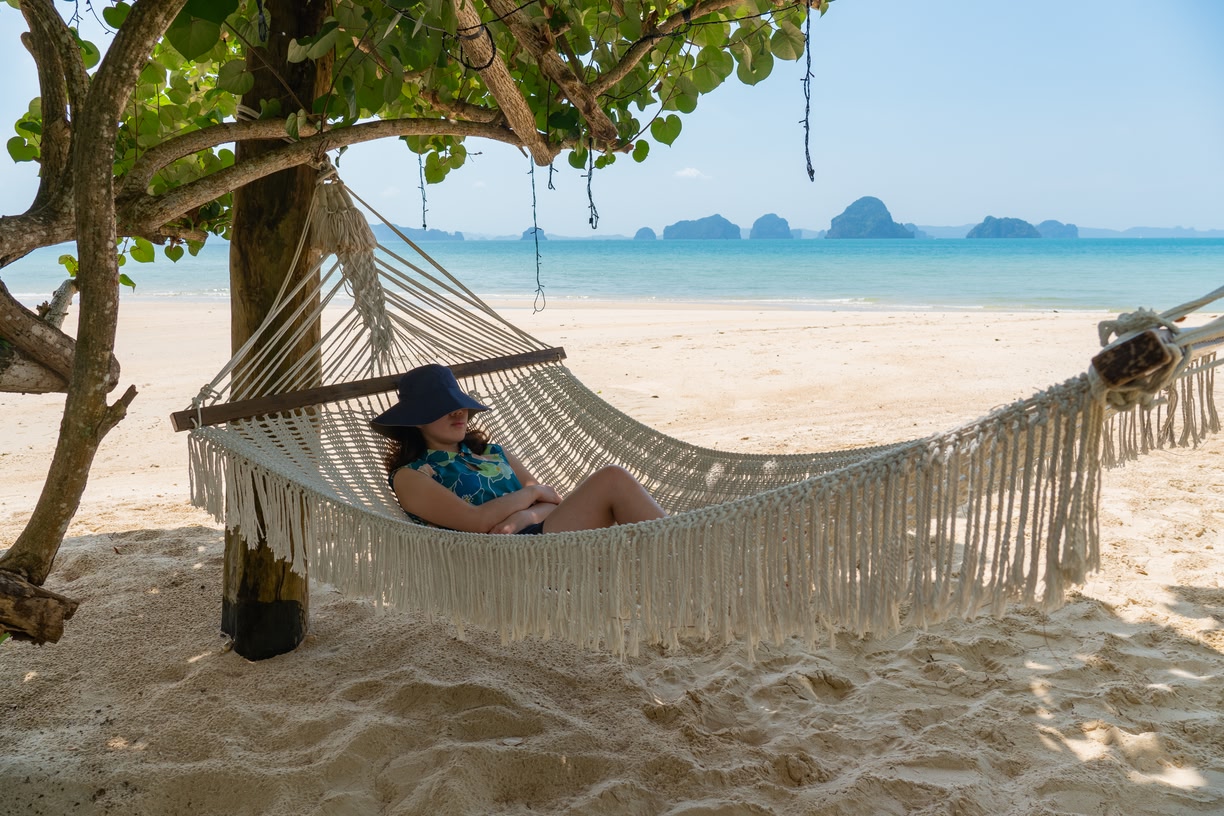
Picture this—you’re lounging in a luxurious hotel suite. The bed feels like a cloud. The room is dark and serene. The only noise you hear is the gentle hum of a white noise machine. You’re not dreaming; this is sleep tourism.
Sleep might not be the first thing you think of when it comes to travel—unless you’re wondering how to get some shut-eye on a long flight. But that could change, with sleep tourism emerging as a significant trend during a time when wellness and self-care are becoming priorities.
Discover the key facts and stats about sleep tourism that highlight its rise and impact on the travel industry. From specialised sleep-focused retreats to hotels offering unique sleep-enhancing amenities, learn how the pursuit of quality rest is shaping travel choices.
Chapter 1
An introduction to sleep tourism
We all know that accessible travel is important for those with a disability. But what do the numbers tell us? Here’s a clearer picture of how people feel about taking a holiday with a disability, as well as the positive impact these kinds of trips are having on the tourism sector as a whole.
What is sleep tourism?
- Sleep tourism is any holiday which includes elements designed to help you catch those elusive Zs. This could be anything from booking a hotel which has a pillow menu to staying at a dedicated sleep retreat.
Why are people interested?
- In our fast-paced world, quality sleep often falls by the wayside. More people are seeking restorative travel experiences that focus not just on adventure but on total wellness. Sleep tourism offers the perfect balance between relaxation and rejuvenation.
- Wellbeing has become more of a priority for many people. Data from McKinsey found 73% of UK consumers consider it a top or important priority.
- The definition of wellbeing, or wellness, can differ, but it generally covers both physical and mental health. Key areas include sleep, nutrition, health and fitness, appearance, and mindfulness. And wellness is everywhere. It’s reached you even if you’ve seen adverts for gut health products, meditation apps, or fitness programmes.
- General wellbeing has also become an important consideration for travellers. ABTA’s most recent Holiday Habits survey found that wellbeing holidays are growing in popularity. They didn’t even make the top 10 types of holiday in 2022, but in 2023 they climbed six places to number nine, and 9% of package holiday makers chose a wellbeing break. These will be different for each person, but might involve things like nutrition workshops, yoga, fitness classes, and outdoor activities. You might use a wellbeing break to simply restore and refresh, but you’ll also learn healthy habits you can take away and use in your everyday life.
- Mintel found that, amongst people who were considering making wellness the focus of their trip (i.e. ‘wellness travellers’), 43% wanted to improve the quality of their sleep whilst on holiday. We’ve all been there—we want to enjoy every part of our getaway and that includes sleeping well.
43% wanted to improve
the quality of their sleep
whilst on holiday.
- The sleep tourism trend has also emerged from people’s wish to get away from busy everyday life. A 2024 survey found 63% of people in the UK are stressed at least weekly, up from 33% in 2018. That’s a big jump in just six years.
- Meanwhile, a report by Mintel found 80% of UK adults have experienced stress and believe trouble with sleep to be the leading effect. When we wake up without the restful sleep we need, it can be much harder to deal with things life throws our way.
- Stress can be tackled with a holistic approach and sleep is a big part of that. When we sleep, our bodies reduce production of cortisol and other stress hormones. However, stress can make it more difficult to fall asleep, and the tiredness we feel the next day can increase stress. It’s a vicious cycle—but it can be broken.
- We’re a sleepy nation, it seems. While 47% of Britons believe they get enough sleep to function well during the day, 38% say this rarely happens and 14% say they never feel well rested. So don’t feel alone if you’re struggling to get enough sleep.
38% of Britons believe
they don’t get enough sleep to function well during the day
- There are so many good things about travel and, while it might not be the first one you think of, sleep quality makes the list for a lot of people. But why? Well, 43% of UK travellers say being away from everyday life helps them to sleep better. 27% say having more time outside in fresh air helps, while 14% credit “clean, calm and clutter-free” accommodation.
- With all this in mind, you can see why travellers are looking for more than just a room to stay in for the night. Accommodation that takes an extra step to prioritise sleep for guests is capitalising on that, with everything from spa experiences to environments designed especially to enhance relaxation and sleep. If the thought of enjoying spa treatments before drifting off to sleep is making you want to join the sleep tourism trend, we’ll explain what you can look for in the next chapter.
Sleep quality and travel
- Travelling can often feel like an exhilarating whirlwind. Between exploring new places, trying exotic foods, and navigating unfamiliar streets, it’s easy to forget to prioritise something equally important—sleep.
- But this can actually influence how we feel about our holiday. One review of multiple studies suggested that good sleep quality influences tourists’ experiences in a significant and positive way. The researchers noted that better sleep leads to increased energy levels and better cognitive functioning, so you’re better placed to enjoy all the adventures travel can bring.
- But not everyone is getting this much-needed shut eye on holiday. Another survey, conducted by sleep scientist Rebecca Robbins, found that only 33% were happy with their sleep during their last trip, and that sleep quality was one of the factors that affected whether or not they’d stay at their accommodation again. We all know how finding the right place to rest our heads can impact how much we enjoy ourselves. Whether that’s a quaint B&B or a state-of-the-art five-star hotel, comfort is key.
The growth of sleep tourism
- 33% of UK travellers say sleep will be the top of the agenda on their next trip. 20% are considering a sleep retreat.
- Fortune reported that the sleep tourism industry is expected to grow by over $400 billion (approximately £315 billion) between 2023 and 2028, an increase of nearly 8%.
Sleep tourism industry is
expected to grow by over
$400 billion by 2028
- More widely, the wellness travel industry is worth $814 billion (approximately £642 billion) and growing. People want to return home from their travels feeling rejuvenated, not exhausted. There’s nothing like the buzz of coming home fulfilled and already excited about planning your next trip.
19.
Some travellers have their own tricks to help them nod off while away
One survey found:
33%
listen to music or a podcast to help them sleep while on holiday
22%
use earplugs
10%
bring a white noise machine with them
Bringing your own home comforts with you can go a long way in making your trip as cosy as possible.
If the idea of sleep tourism has captured your curiosity and you’re thinking about planning a trip, read on to find out what hotels and retreats can offer.
Chapter 2
What to look for
Here are some things you can look for when you plan your holiday, whether you want some extra comforts, or your favourite part of the day is nap time and your entire trip is based around sleep quality.
Sleep-focused amenities
- A good mattress can make a world of difference and many hotels are taking this to the next level. Smart beds and mattresses have added technology to help you get a more comfortable night’s sleep. Some use sensors to monitor how you’re sleeping, then adjust the mattress and temperature accordingly. Others may link to bluetooth so you can go to sleep listening to meditations or white noise, or wake up to the sound of a radio station.
- You may be able to choose from a pillow menu — which is quite literally a list of pillow options — with some hotels and resorts letting you decide what you’d find most comfortable.
- The type of pillow you prefer will often depend on the position you sleep in. It’s thought around 60% of adults sleep in some sort of side position, which fall into three categories according to The Sleep Foundation:

The fetal position
The sleeper lies on one side, curled into a ball with their arms and legs bent

The log
The sleeper lies on one side, with their arms and legs extending downwards so their body forms a straight line

The yearner
The sleeper lies on one side, with with legs extending downwards and their arms extending forwards
How do you sleep? Side sleepers tend to feel more comfortable on thicker, supportive pillows, so keep this in mind while you peruse the pillow menu. Front sleepers also prefer firm pillows, while back sleepers are better suited to thinner pillows that still offer support.
- A sleep mask may be provided so you can block out the light. Light, specifically lack of light, is key to helping you drift off. The brain’s pineal gland produces a hormone called melatonin when it gets dark, which sends a message to the body that it’s time to feel drowsy and get ready for sleep. Ever noticed how you get sleepier in winter, when the dark draws in and you’re all cosy inside? Melatonin plays a part in that.
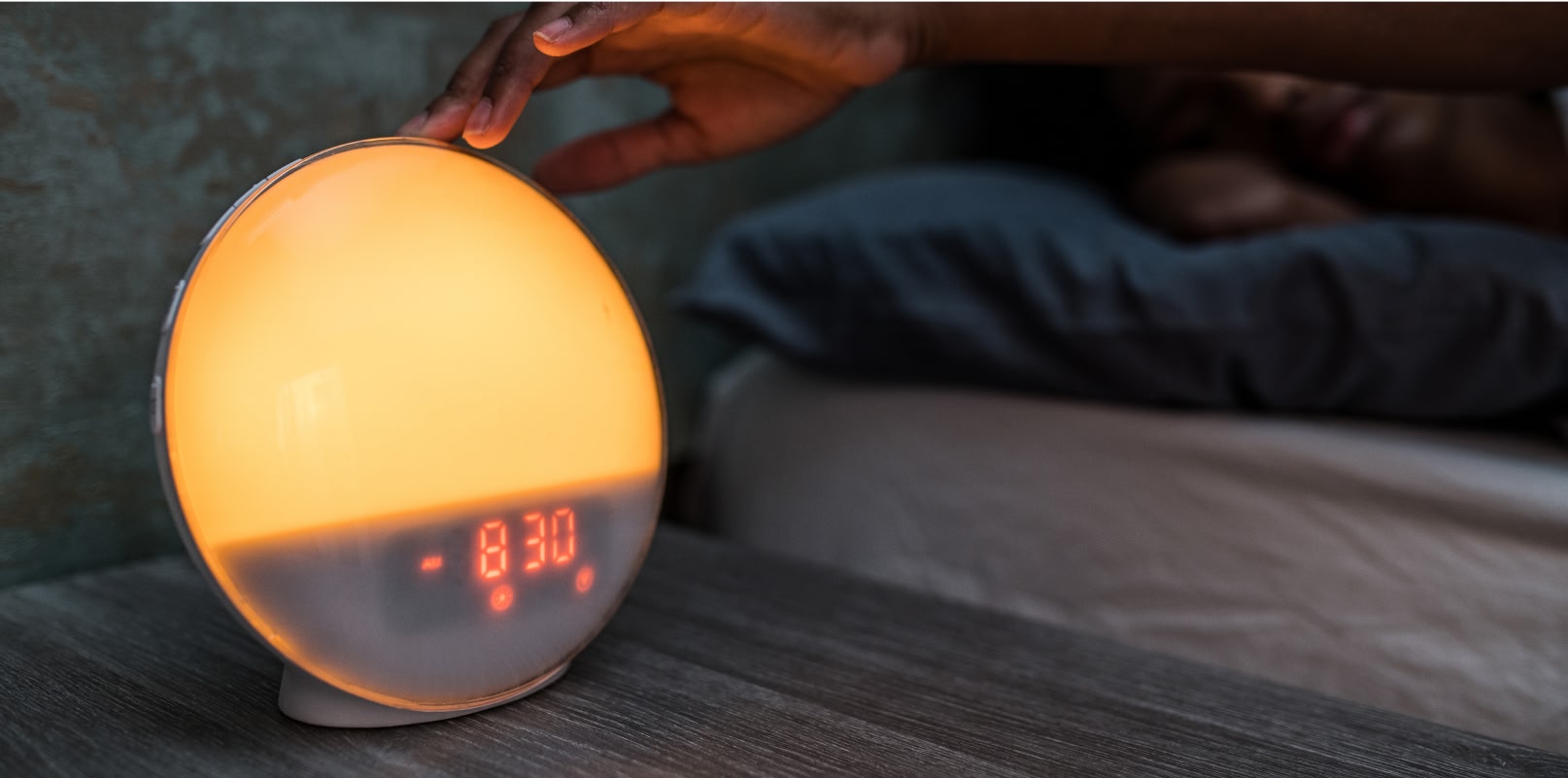
- If you’d prefer not to wear a mask, smart lighting can also help with melatonin production. While manually dimming the overhead lights is effective, smart lighting takes things up a notch by dimming automatically to be like a sunset. It also adjusts the tone of the light to favour reds, yellows and oranges. This warmth, a contrast to the blue light of daytime and screens, is another signal to the brain that it’s time for bed (and it’s much softer to look at).
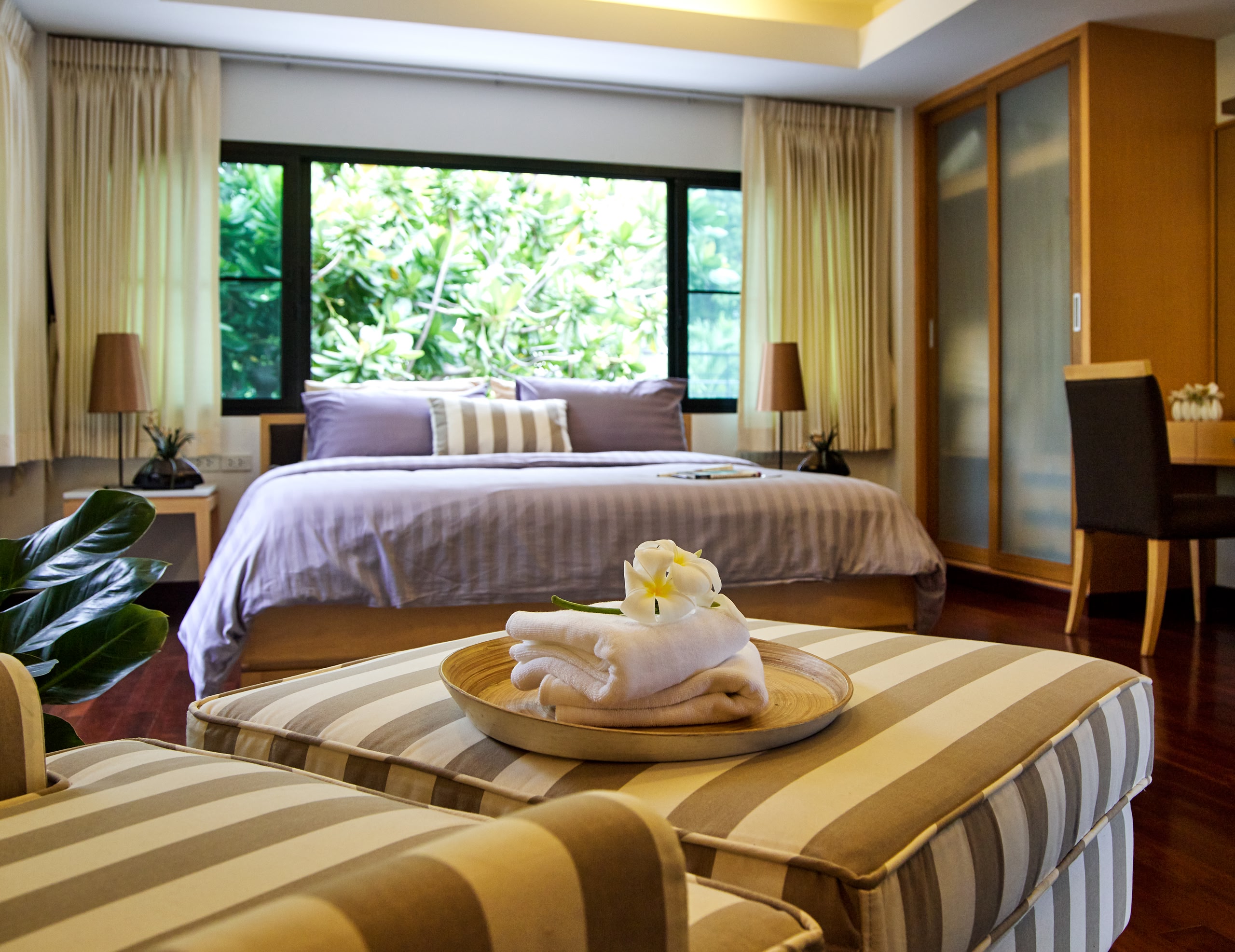
- When we go away, it’s nice to be surrounded by beautiful interiors. In fact, colour can have a significant impact on our mood, with some colours far more calming than others. So if you’re staying somewhere that prioritises sleep, expect to see tranquil hues like blue, green, white, light grey, cream or pale pink.
- Have you ever noticed that stop signs are always red? Or how public spaces often feature green plants? These are examples of how colour can impact our brains—red is associated with danger, encouraging you to come to a halt, while green is thought to put people at ease. Psychology Today reports that colour can affect us in many ways, influencing:

Mood

Energy levels

Sleep patterns

Concentration

Blood pressure

Emotion linked to memory
- It’s not just sight and touch which can benefit from sleep amenities: your sense of smell can be, too. Your hotel may include an aromatherapy diffuser in your room. Aromatherapy diffusers release the scent of essential oils into the air through a fine mist. Certain oils are more soothing than others — think lavender, frankincense, chamomile, clary sage, bergamot and ylang-ylang. Your hotel may even have their own custom blend. If you find certain scents help you sleep, this is something you can easily try at home.
- According to John Hopkins Medicine, the scent from essential oils used in aromatherapy travels from the olfactory nerves to the brain, where it has an effect on the amygdala — what they describe as “the emotional center of the brain”.
- Drinking caffeine before bed might be a no go, but that doesn’t mean you can’t enjoy a hot drink before you turn in for the night. Some hotels will provide a range of drinks which can promote healthy sleep, including calming teas like chamomile or peppermint.
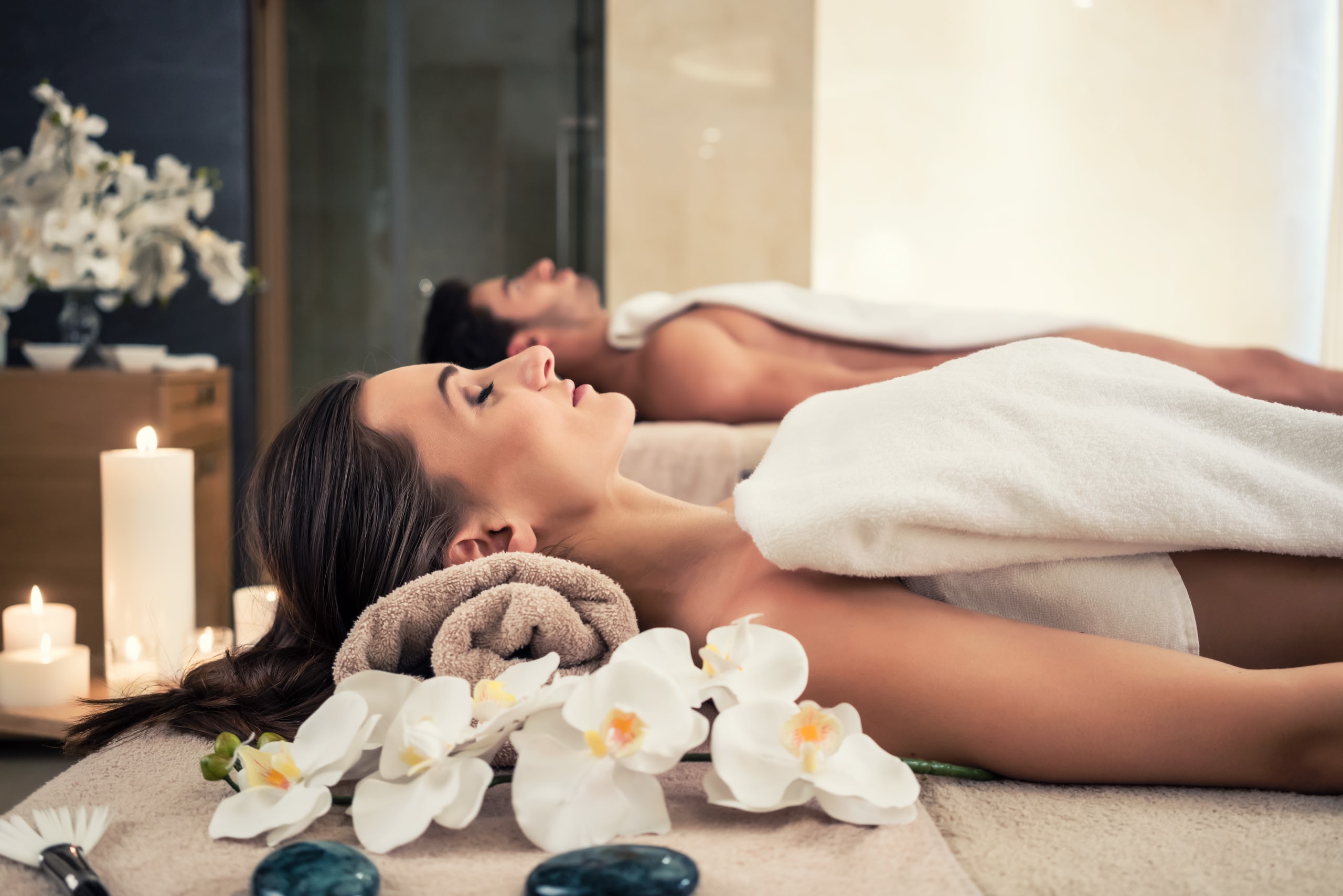
Sleep-focused spa treatments, activities and services
- In some hotels you can venture outside of your room for help getting a good night’s sleep, with an array of services available as they take notice of the sleep tourism trend.
- A classic on the spa menu, massage therapy can be used to relax and soothe muscles, relieve tension, and get you into a state of relaxation that’s perfect for sleep. Most spas will offer different types of massage so you can choose what suits you best:
Aromatherapy massage
Where massage is combined with aromatherapy oils.
Deep tissue massage
Which reduces the tension in sore muscles.
Hot stone massage
Where the warmth of hot stones is used.
Indian head massage
Which focuses on acupressure points across the head and scalp.
Shiatsu massage
A Japanese massage technique which can aid relaxation and sleep.
Swedish massage
A more gentle form of massage that releases muscle knots. It’s ideal if you’ve never had a massage before.
- Similar to massage is reflexology. Unlike massage, in reflexology the pressure is applied to your hands, feet and ears to relieve tension and help you find balance, directing energy to support your sleep.
- Don’t just look for massage and reflexology when you visit the spa. Other treatments and facilities can play a part in aiding deep sleep, from hydrotherapy (baths infused with calming ingredients) to simply sitting in the sauna. The quick way your body cools down after stepping out of the sauna signals to the brain that it’s time to get ready for bed (a warm bath will do the same and is something you can try at home).
- It’s a real treat when hotels have their own leisure facilities and offer classes. Yoga is a popular option. A yoga class focused on sleep will avoid energising postures, guiding you through poses and breathing exercises that help you to relax your mind and body. For example, the hotel Le Naoura in Marrakech offers vinyasa yoga classes at its spa. Vinyasa is a type of yoga where you flow from one pose to the next using your breath. Focusing on your breathing like this creates a state of relaxation that’s ideal for sleep.
- But it’s not just gentle exercise that can help. Other classes may focus on relaxation techniques such as guided meditation. A class will introduce you to different techniques and gently encourage you to be present and let your worries go. 1 Hotel South Beach holds regular classes, from meditation on World Mindfulness Day to Thanksgiving gratitude sessions. If you’d prefer to meditate alone, some hotels may provide access to an app in your room, or you can search for guided meditations online.
- Meditation engages the parasympathetic nervous system, which is the calming response of your body, taking you out of fight-or-flight mode and slowing your breathing and heart rate.
- At the more unusual end of the scale, some hotels have a sleep hypnotist on hand for anyone who’s struggling to drift off. Rather than send you to sleep, the hypnotist will work to change any negative thoughts, emotions or habits you have about sleep, so you can make more healthy decisions. The Cadogan in Knightsbridge, London offers sessions with a hypnotherapist and sleep expert, as well as a pillow menu, weighted blankets and a bedtime tea service, so you can get cosy after a day of exploring the city.
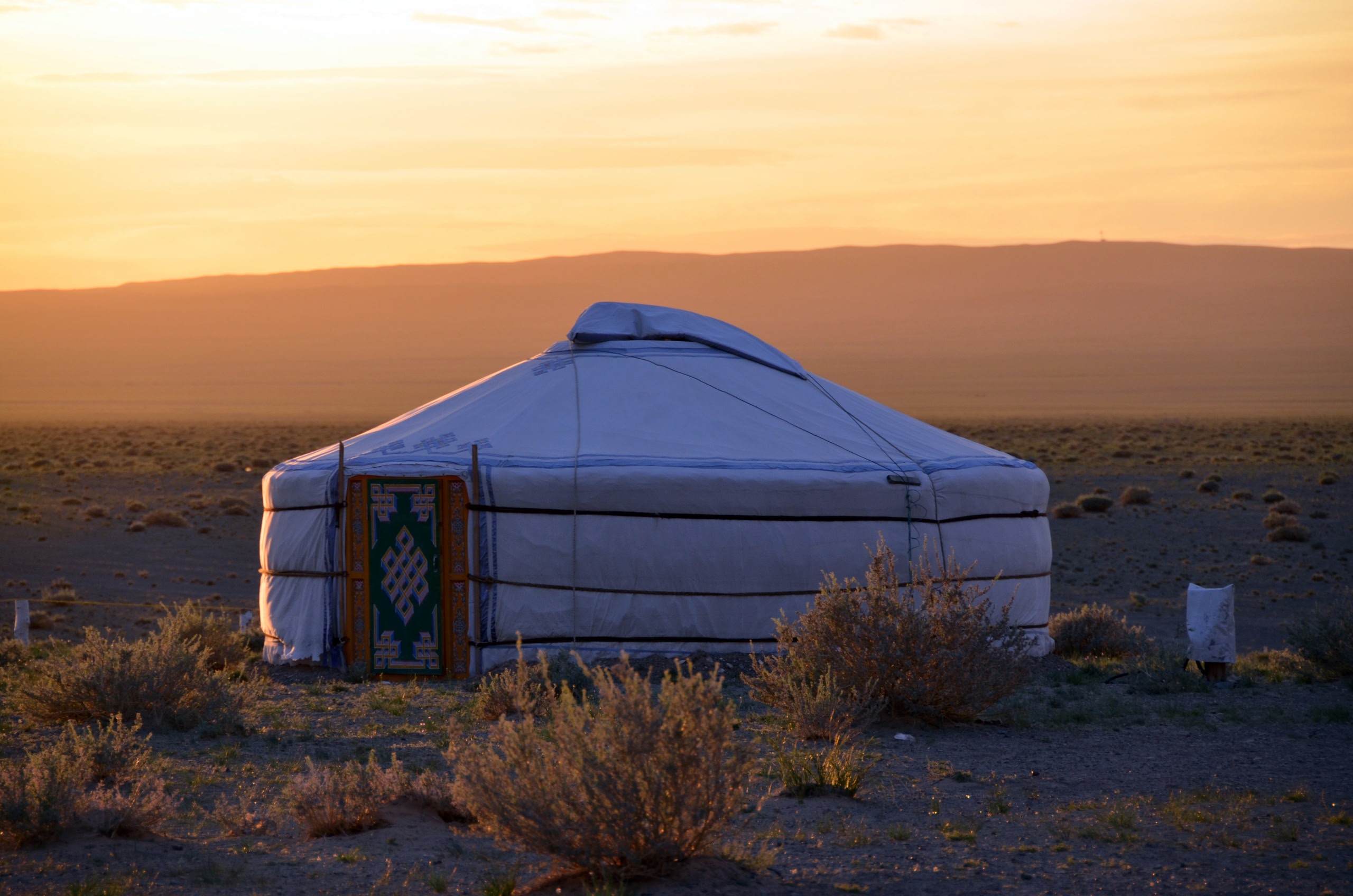
Off-grid holidays
- An off-grid holiday is when you completely unplug from technology — no smartphone, no tablet, no laptop, no TV, just an old Nokia in case of emergencies. After all, it’s hard to switch off when you’re always switched on. Going off grid allows you to disconnect from the endless notifications and reconnect with yourself. It’s perfect for those who need a nudge (or a shove) to put their phones down.
- If you travel with someone then you also have a chance to reconnect without distraction. Some off-grid accommodation provides things like a wind-up radio, board games, a polaroid camera, a compass and paper map — all unplugged, but enough for entertainment.
- Some off-grid accommodation may have no traditional electricity at all, but be powered by solar panels or wind turbines, and have a compost toilet instead of one connected to the mains water supply.
- The idea is that by going back to basics you can recharge and relax without distraction, and this extends to sleep. You can rise with the early-morning light and go to bed when it gets dark, which helps your circadian rhythm (your body clock) align with when it’s time to rest and when it’s time to wake. It certainly makes a nice change from being woken up by an alarm while it’s still dark outside.
42.
If British statistics are anything to go by,
the lack of tech is something most people would find quite difficult.
74%
Keep their phone in their bedroom at night
26%
Check it if they wake up in the night
- We also spend a significant amount of our day looking at screens: the average internet user spends six hours 35 minutes online (for the UK it’s slightly less, at six hours and eight minutes). For a lot of people this is likely for work, but it also creeps into our leisure time and can stop us from being present when we spend time with loved ones. Who hasn’t been talking to someone, only to glance up and realise they’re on their phone? An off-grid holiday is a chance to change this.
Sleep retreats
- A sleep retreat is accommodation with a programme dedicated to improving your sleep quality. They sometimes include a diagnostic element, where they look at why you might have issues sleeping and recommend ways to solve them.
- Sleep retreats usually take a holistic approach and offer a range of gentle activities, such as massage and reflexology, yoga, walking, swimming, and meditation, with a menu of nutritious meals available.
We’ve looked at what you can expect from sleep tourism, but how do you decide whether it’s right for you? And where are the best places to go? We’ll explore this in the next chapter.
Chapter 3
What to look for
Here are some things you can look for when you plan your holiday, whether you want some extra comforts, or your favourite part of the day is nap time and your entire trip is based around sleep quality.
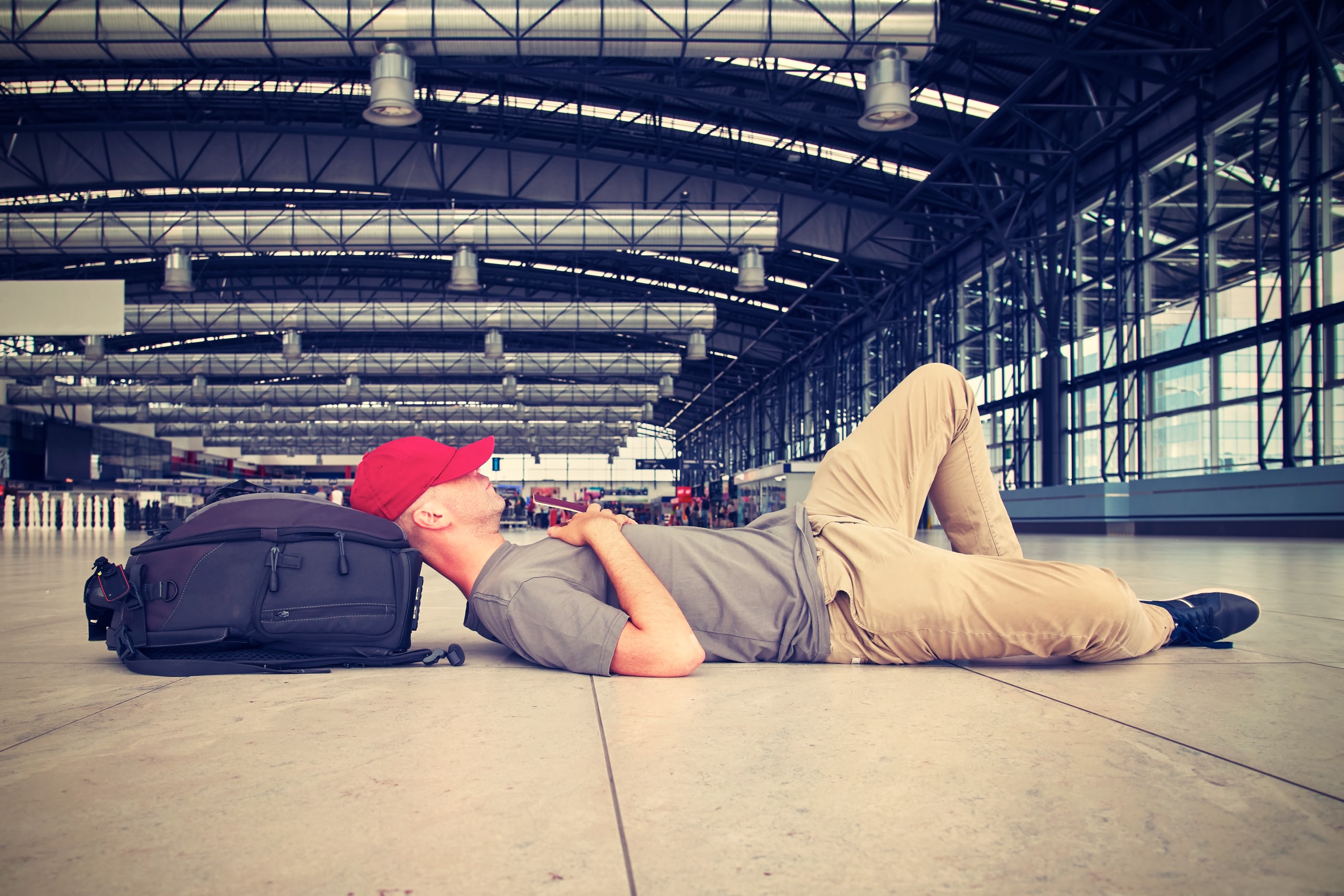
The impact of jet lag
- Before we look at some of the best destinations for sleep tourism, it’s time to address the elephant in the room: jet lag. The way you sleep on holiday can be affected by jet lag. Jet lag disrupts your body’s internal clock, which can lead to fatigue, insomnia, mood swings and trouble concentrating. No one needs that disrupting their trip.
- But don’t worry—it’s very common. There are several ways you can overcome it and enjoy a great sleep while you’re away.
- Start adjusting your sleep schedule a few days before your trip. If you’re travelling east, go to bed and wake up an hour earlier each day. If you’re heading west, do the opposite. This gradual change can help your body adapt to the new time zone more easily.
- Drink plenty of water before, during, and after your flight. Avoid alcohol and caffeine, as they can dehydrate you and interfere with your sleep.
- Light is a powerful cue for your internal clock. If you’re travelling east, expose yourself to morning light at your destination. For westward travel, seek evening light. Use blackout curtains or an eye mask to block out light when you need to sleep.
- Short naps can help alleviate fatigue without disrupting your nighttime sleep. Limit naps to 20-30 minutes and avoid napping late in the afternoon.
- Physical activity can boost your mood and energy levels. Go for a walk, swim, or do some light exercises to help your body adjust to the new time zone.
The best destinations for sleep tourism
Imagine drifting into a peaceful slumber in the serene surroundings of Lake Como or unwinding in the tranquil ambiance of Santorini. From luxurious retreats in Rome to cosy getaways in Bern, the world is filled with destinations that cater to enhancing your sleep experience.
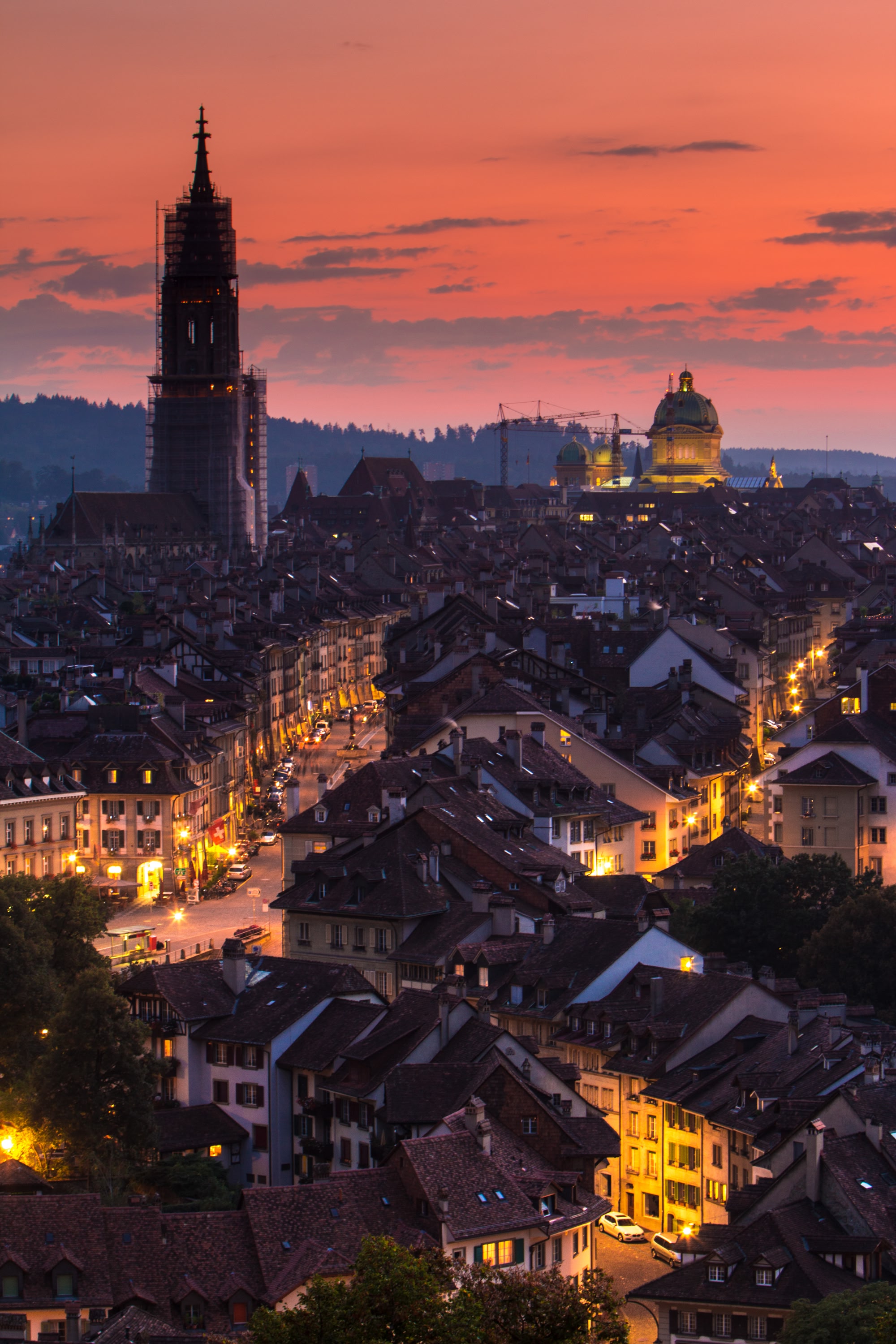
53. Bern, Switzerland
Known for its serene landscapes and rejuvenating atmosphere, Switzerland’s stunning mountain scenery alone is likely to settle the most frazzled of us into a state of relaxation. But you can go one step further in Bern, which has plenty of spa resorts to choose from. Book some calming treatments before you turn in for the night and enjoy a restful night’s sleep. The Schweizerhof Hotel & Spa offers everything from deluxe massages to reflexology and soothing facials.
54. Hội An, Vietnam
A UNESCO World Heritage Site, Hội An is known for its warmly glowing lanterns, delicious food, and a quaint old town closed off to traffic. Stroll around to admire the surviving 17th and 18th-century features, then head to one of the tranquil riverside retreats to make the most of the spa facilities. Why not indulge in a massage using traditional Vietnamese techniques before you go to bed? The spa at the Four Seasons is set around a lotus pond and has a variety of treatments and classes, including yoga, meditation, and bathing ceremonies.

55. Lake Como, Italy
Lake Como is famous for its picturesque views and calming waters. This alone provides a calming backdrop for focusing on sleep, but you can enhance your experience by booking a wellness retreat or visiting a spa — Grand Hotel Tremezzo offers a botanicals-based sleep ritual.

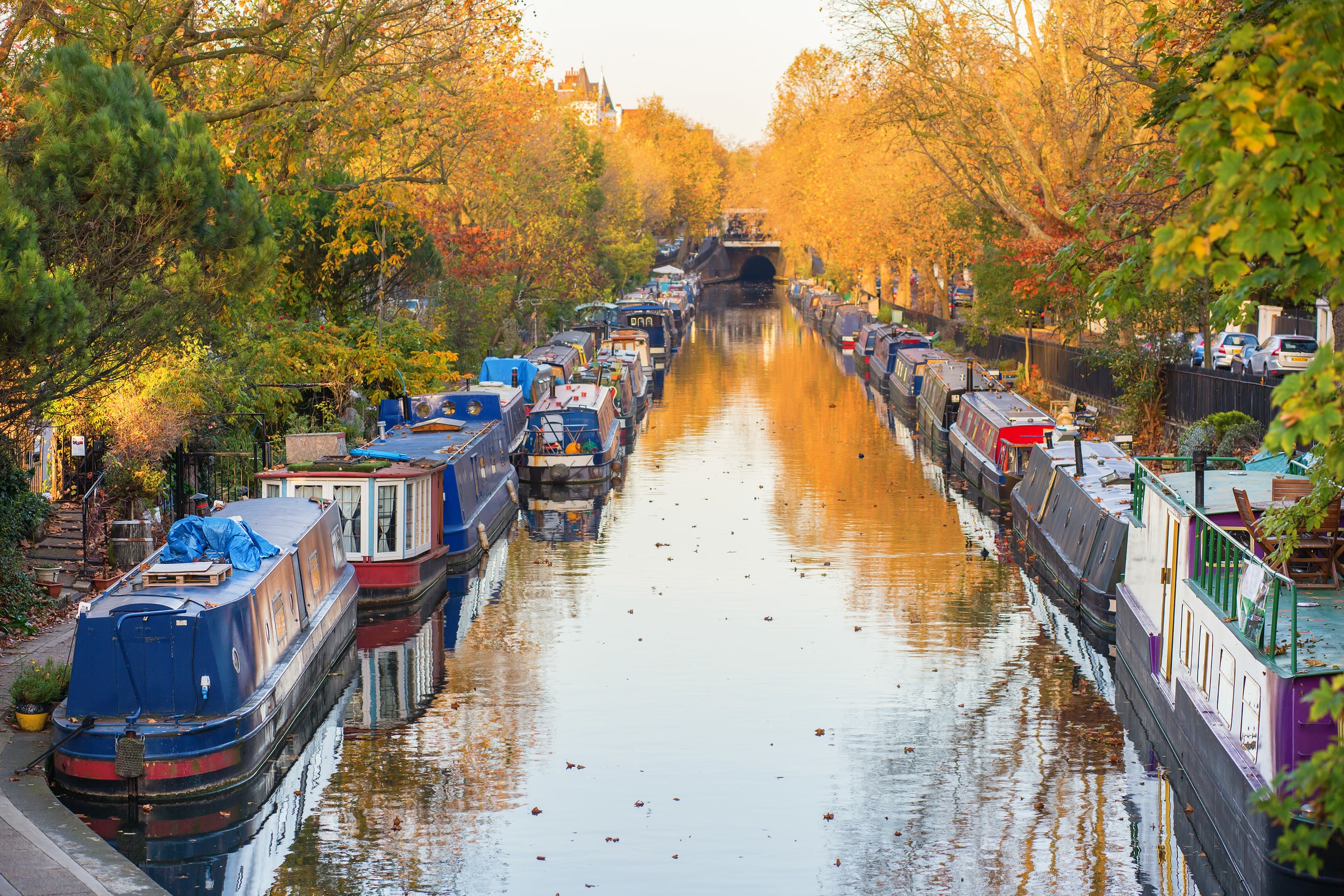
56. London, UK
Enjoy the best of both worlds in Britain’s bustling capital with its blend of urban sophistication and tranquil sanctuaries. You’ll find it hard to believe you’re in the thick of everything when the door closes on the outside world and you can relax in comfort. Look for soundproofing, blackout curtains, ergonomic mattresses and quality amenities. Or you could go one step further at the Pan Pacific, where they have an entire wellbeing floor. There, expect to find relaxation pods, a mindfulness studio, sauna, steam room, infinity pool, and spa.
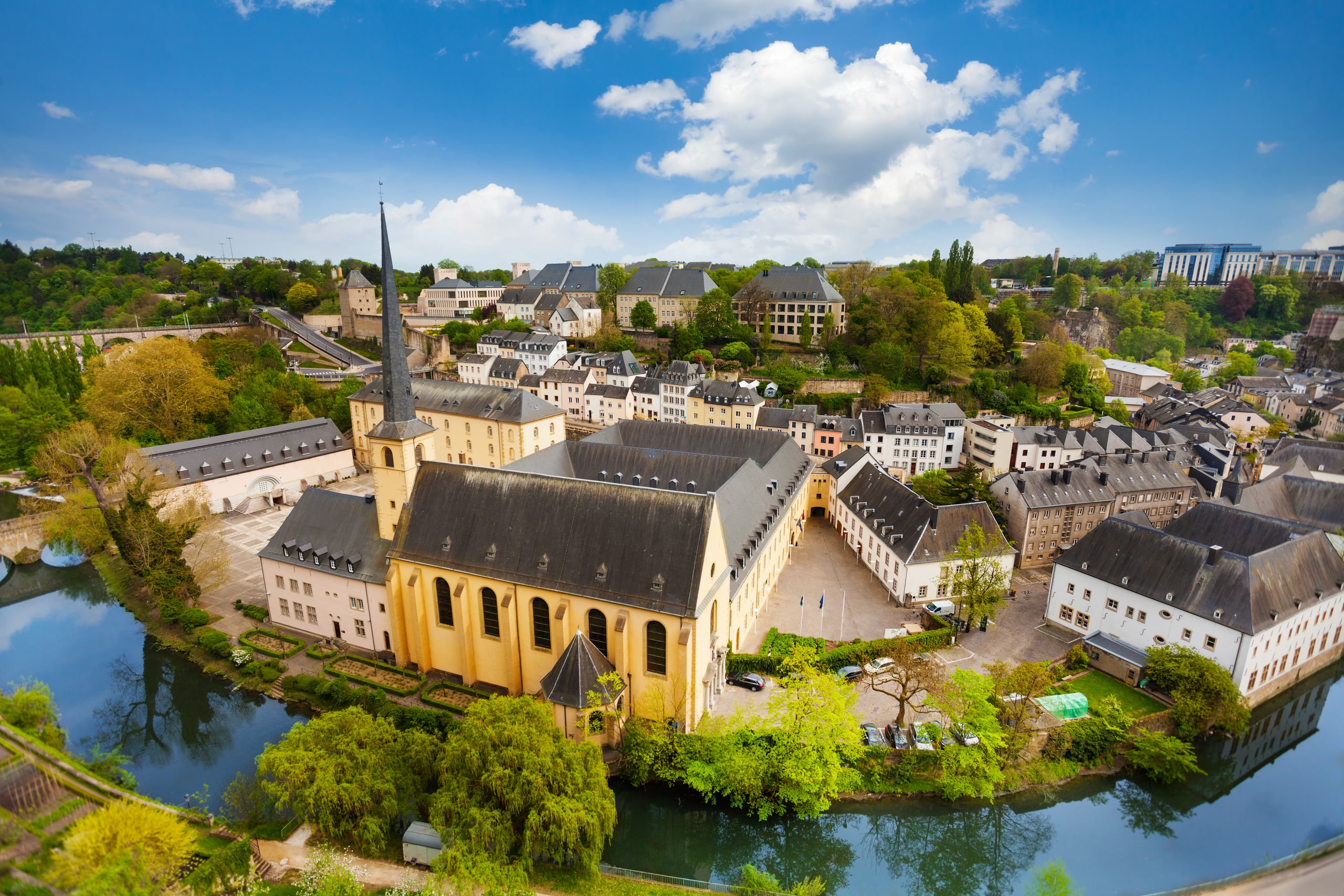
57. Luxembourg, Luxembourg.
Providing peaceful escapes amidst lush greenery, Luxembourg’s hillside location means you have a spectacular view of its diverse landscape. The city is home to plenty of spa resorts with luxurious facilities and comfortable rooms. At Chateau d’Urspelt the spa has plenty to enjoy — you can swim in a pool built to look like it’s in a submerged cave, spend time decompressing in the relaxation room, whirlpool bath or flotation pool, or book one of the many treatments available.
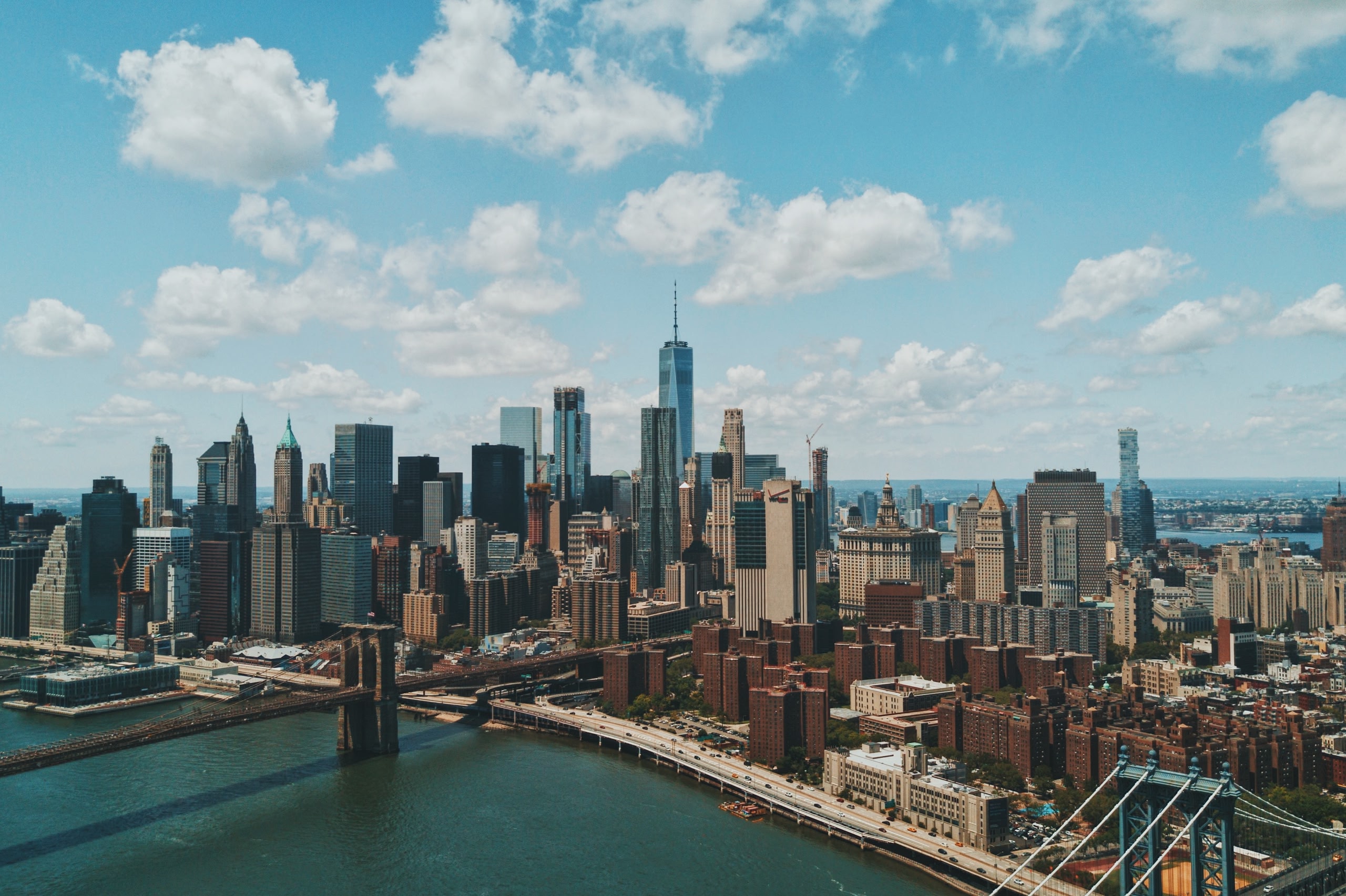
58. New York, US.
You might be wondering why The City That Never Sleeps features here, but you can get plenty of rest — if you know where to look. The Park Hyatt is regularly mentioned on lists of the best hotels for sleep, thanks to its soundproofing and blackout curtains, while the Aman boasts a wellness centre and gives every guest a free consultation. It also offers sleep-focused programmes and treatments if you want to delve a little deeper.
59. Rome, Italy
Combine historic charm with modern relaxation in Italy’s capital. The city is home to plenty of hotels that are capitalising on the sleep tourism trend, giving you more choice. Six Senses Rome has its own wellness programme focused on sleep, while Casa Monti’s rooftop spa overlooks the Roman Forum and offers a Hibernation Sleep Ritual, which includes a facial and full-body massage.

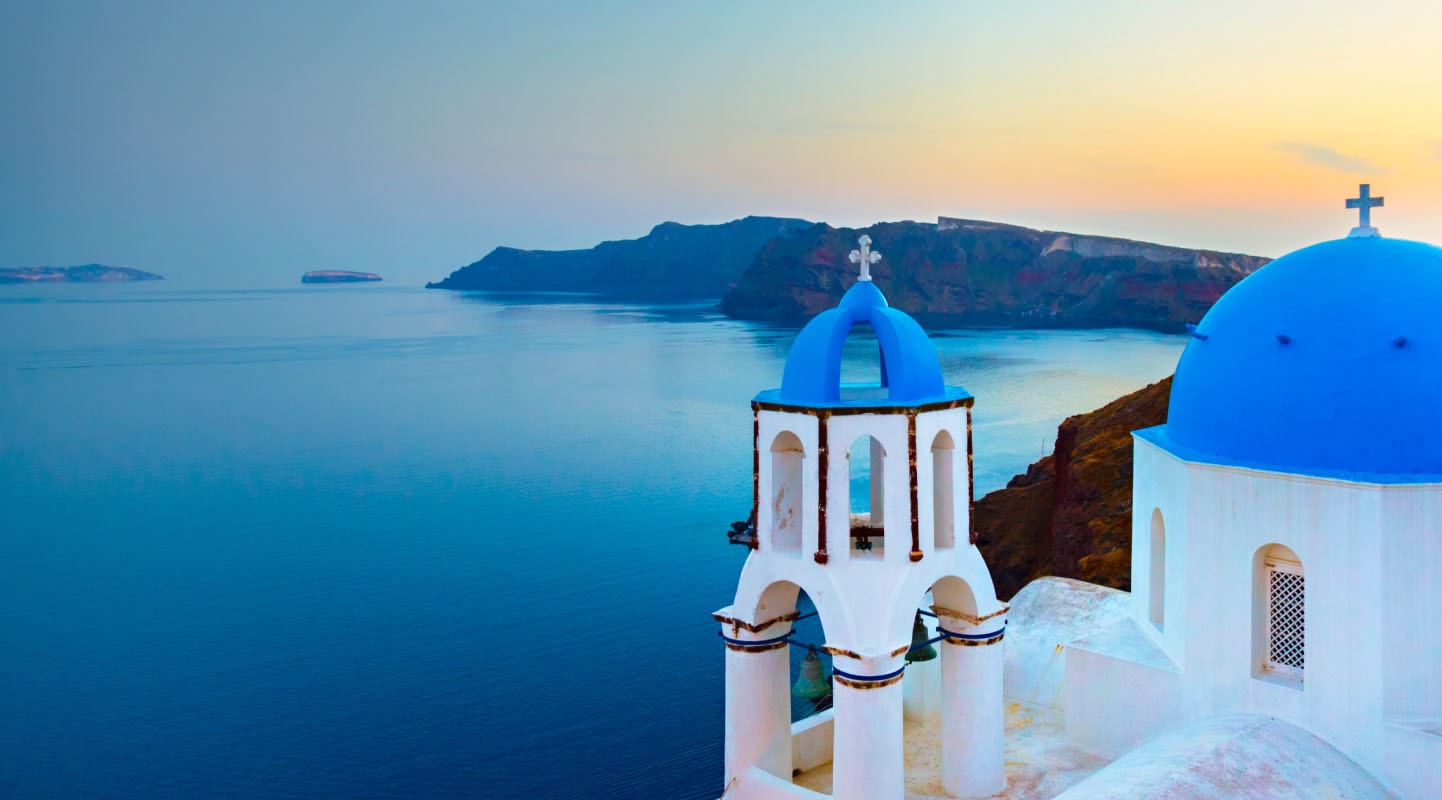
60. Santorini, Greece.
Renowned for its breathtaking sunsets and tranquil settings, the white and blue landscapes of Santorini are beloved by travellers across the world. You’ll enjoy exploring the island, but if sleep is number one on your agenda you’ll also love retreating to accommodation where comfort is taken seriously. Admire the sun-soaked views from your own private terrace or make a beeline for a candlelit spa, both offerings from multiple hotels. The Astarte Suites offer views across the Aegean Sea and you can even get a massage in the privacy of your own suite.
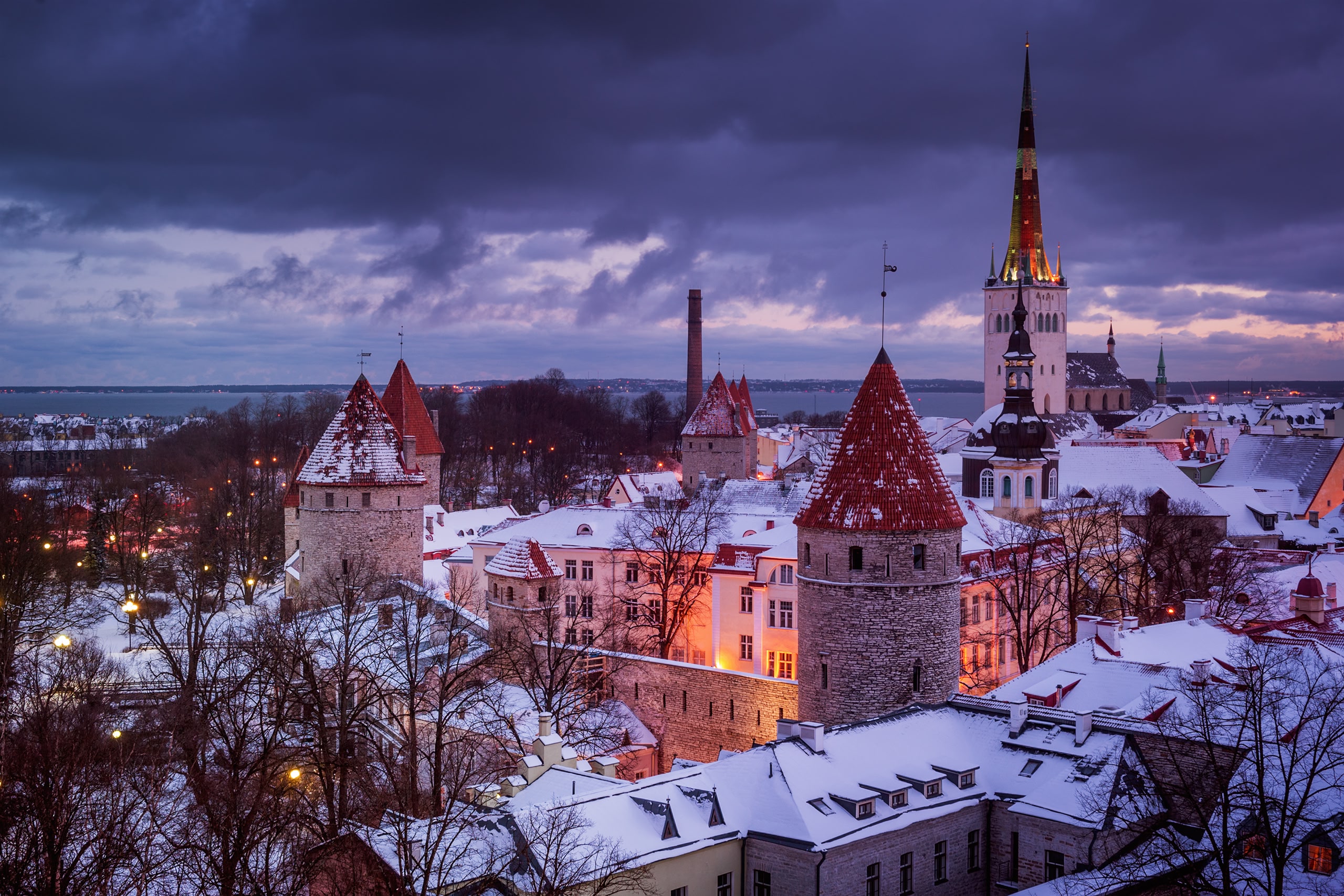
61. Tallinn, Estonia.
If you like your trips to have a laidback feel, you’ll love spending time (and sleeping) in Tallinn. Its medieval charm and serene environment lends itself to relaxation, despite being a capital city, with Estonia known for its spa culture. Visit the Zen Spa for its private saunas, or head to Pürovel Spa & Sport for a five-star experience, with aromatherapy and massages amongst the treatments. The quiet hours are between 6pm and 9pm if you want extra peace before you go to bed.
Why consider sleep tourism? How to decide if it’s right for you
We’ve all daydreamed about escaping from our usual schedules to relax. Sleep tourism takes this to the next level by making a good night’s sleep the top priority. You might want to make some changes to your sleep routine at home first, or you might think a sleep tourism holiday could be the catalyst for making changes. It’s up to you!
- It also helps to think about what you usually like to do on holiday. Sure, we all love a comfy place to rest our heads at the end of the day, but if you usually spend your time exploring and going out at night, sleep tourism might not be for you — unless you want a complete change of pace. If you already enjoy a relaxed holiday then sleep tourism could take your trip to the next level.
Keeping up good habits at home
- Sleep tourism can make all your worries feel like a world away. But what happens when you get back home? The good news is that you can incorporate many of your experiences into your everyday routine. Sure, most of us won’t have a massage therapist on hand, but investing in an aromatherapy diffuser or a lamp that mimics the sunset is much more affordable. You can also eliminate some of the things which keep you awake from the bedroom, like TVs, phones and tablets. With a few simple changes, you can create a luxurious hotel-inspired bedroom, ideal for a restful night’s sleep.
It’s time to transform your travel plans. Imagine returning from your holiday not just with incredible memories but feeling utterly rejuvenated. Sleep tourism isn’t just about catching up on rest; it’s about holistic rejuvenation and finding balance in our hectic lives. And it doesn’t show any sign of slowing down. Don’t hesitate to explore this innovative travel trend.
Chapter 4
Useful links
- ‘Sleep tourism’ promises the trip of your dreams. Beyond the hype plus 5 tips for a holiday at home
- Sleep and mental health
- How Travel Affects Sleep And What To Do About It
- 6 Tips for Better Sleep When You Travel | Johns Hopkins Medicine
- Fall asleep faster and sleep better – Every Mind Matters – NHS
- 5 Tips for Better Sleep in a Hotel Room


