Your guide to Ghana
Top destinations in Ghana

Accra
Whether you’re craving a city break or a beach getaway, Ghana’s capital delivers, with rooftop bars, art galleries and an endless supply of golden sand.
Ghana: fast facts
| Language | English |
|---|---|
| Currency | Ghanaian cedi (₵) |
| Time zone | UTC+0 (GMT) |
Ghana highlights
Rainforest hikes
A great way to experience the country’s scenery is by exploring its many hiking trails. Cross Ghana’s oldest and most famous canopy walkway through the Kakum National Park’s rainforest, and trek through the bird-filled forests of the Bunso Arboretum. The Wli Waterfall Trail takes you past West Africa’s tallest waterfall, home to fruit bats and countless species of tropical birds and butterflies.
Asante history
Get an introduction to Ghana’s Asante Empire with a visit to Kumasi, the modern capital of the Asante Region. The Manhyia Palace Museum is a good place to start, home to over 100,000 works of Asante art and design. To learn more about this rich culture, visit the Bonwire Kente Weaving Village, which produces handwoven Ghanaian textiles.
Cultural festivals
One of the best things to do in Ghana is to experience the country’s colourful festivals. Held every sixth Sunday at the Royal Palace in Kumasi, the Akwasidae Festival celebrates Asante culture and ancestral heritage. Expect a parade with drumming, dancing and singing. In July, Elmina celebrates the Bakatue Festival, an ancient tradition marking the beginning of a new fishing season.
Things to do in Ghana
Top attractions
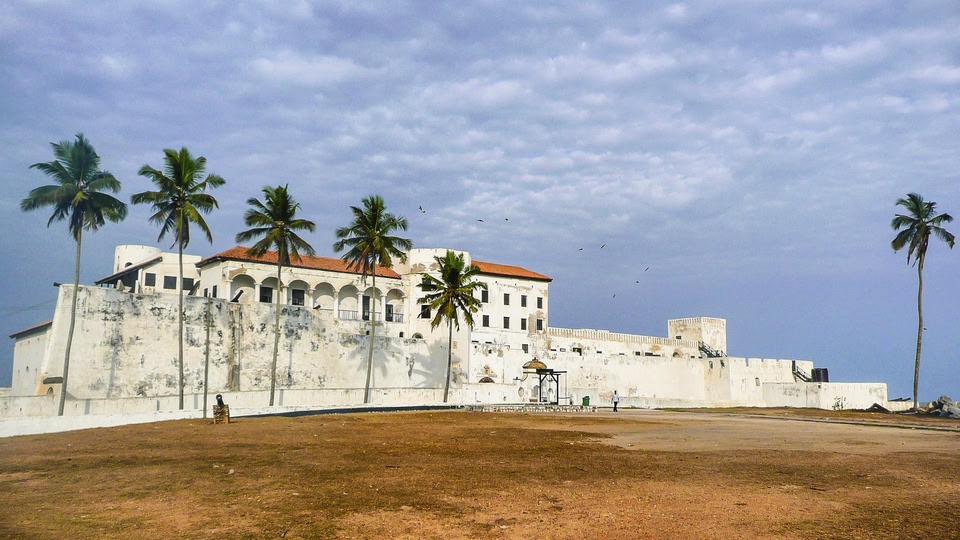
To dive into the heart, soul and spirit of Ghana, head straight for Makola Market in Accra. In the country’s northwest Savannah Region, Mole National Park gives you the rare chance to go on safari on foot. And for one of West Africa’s most important historical monuments, look no further than the UNESCO World Heritage–listed Cape Coast Castle.
Beaches
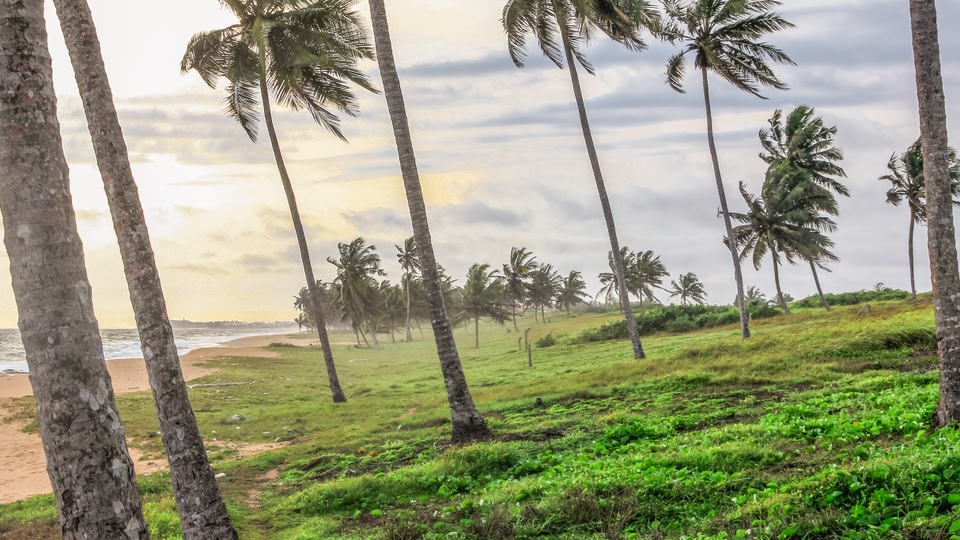
Visiting Ghana’s Atlantic coast beaches is a highlight of any trip. Enjoy a sandy day on Accra’s lively Labadi Pleasure Beach, followed by an evening in one of its many beach bars. For a quieter atmosphere, escape the crowds on Awangazule Beach’s white sands near the coastal village of Axim. Love surfing? Find excellent waves at Busua Beach in the Western Region.
Nature
There’s more to Ghana’s natural beauty than its celebrated Atlantic coastline. Enjoy some of the country’s best wildlife spotting at Mole National Park, home to baboons, elephants, hippos and hundreds of species of birds. For more animal encounters, the Boabeng Fiema Monkey Reserve is a great way to spend an afternoon. And you won’t find better views than at Kyabobo National Park or Mount Afadjato.
Culture and museums
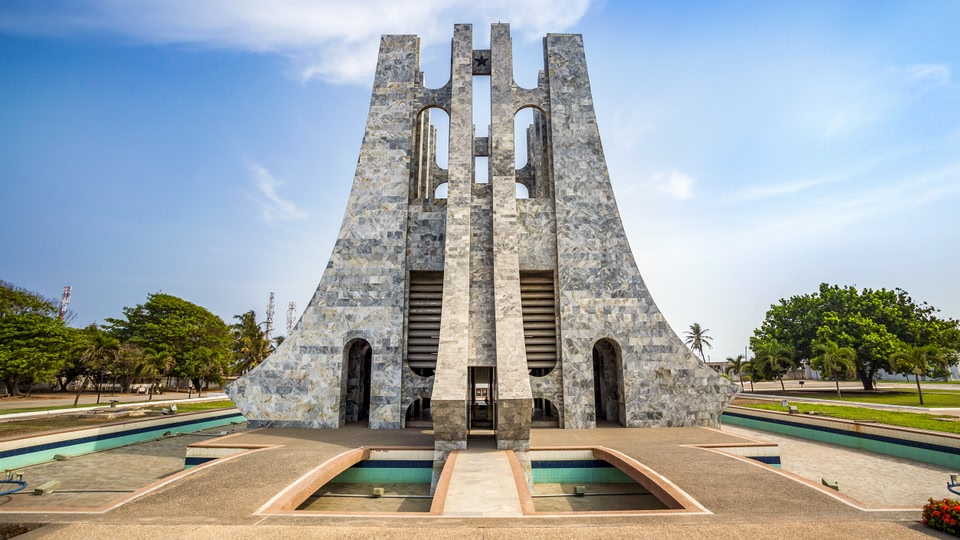
Accra is home to the National Museum of Ghana, the country’s oldest and largest museum. And the Cape Coast Castle Museum is one of the best museums in Ghana to learn about the nation’s colonial history and slave trade. To engage with the country’s Pan-Africanism movement, check out the WEB Du Bois Center and the Kwame Nkrumah Mausoleum in Accra.
Cuisine
The best restaurants in Ghana serve traditional dishes like ‘jollof rice’ (rice with tomatoes, onions, peppers and seasonings), ‘red-red’ (stewed black-eyed beans) and ‘kelewele’ (spicy fried plantain). ‘Fufu’ is especially popular here, made of pounded cassava, plantains or yams shaped into a ball and served alongside dishes like peanut soup or a chicken and tomato-based ‘light soup’.
Family friendly
Swinging through the suspended walkways of Kakum National Park is an adventure with some of Ghana’s most beautiful birds and monkeys. There’s also a playground and two cafes for those keen to stay closer to the ground. For a beach day, Labadi, Bojo and Pleasure beaches in Accra all offer plenty of amenities with the bonus of a handful of kids’ clubs.
Find the best time to visit Ghana
Weather in Ghana
April – October: The warm, tropical climate of Ghana is broken into two seasons: wet and dry. The south of the country, including Accra, experiences the heaviest rainfall from April to June. In the north, the rainy season stretches from April to October. This is a great time to see waterfalls, rivers and lakes in full force — just pack wet weather gear.
November – March: The cooler dry season is the best time to visit Ghana. But be aware that you might experience dry winds carrying dust from the Sahara. It can bring relief and some incredible wildlife viewing, but there’s also the chance of dust-choked days. To see Ghana at its most festive, consider visiting during Christmas or Easter, when moods soar.
Events in Ghana
Winneba Fancy Dress Festival (January): Masks, elaborate costumes, brass bands and rows of dancers ring in the new year in Winneba, a coastal town in the central region. The event originated with Dutch colonisers but is now wholly Ghana’s own.
Chale Wote Street Art Festival (August): This is the event to take in the breadth and bounty of Ghana’s contemporary art scene. Don’t miss a bouncing street party in Accra’s Jamestown with live music, Ghanaian food and loads of expressive art.
Akwasidae Festival (every six weeks): Every 42 days, a grand procession is held in the Royal Palace in Kumasi to honour the Asante Empire’s long-held ancestral traditions. It’s an almighty display of fashion, gold and cultural customs.
Know before you go
Local etiquette
Greetings are important in Ghana. Take the time to meet, greet and shake hands, and be sure to show extra respect for elders and dignitaries. It’s best to avoid public displays of affection and pointing, as both are considered taboo. And always use your right hand when giving or accepting food, a present or goods.
Health and safety
All travellers aged nine months and older must have a yellow fever vaccination certificate. It’s also advisable to drink bottled water and take precautions against mosquito bites, as waterborne and insect-borne diseases are common. If you’re visiting during the hot, dry season, take care to carry water, wear a hat and rest often to avoid heat exhaustion or heatstroke.
LGBTQ+ travel
Ghanaian law and the majority of public sentiment are strongly anti-LGBTQ+. There have been recorded instances of violence towards the LGBTQ+ community and its allies. Exercise caution when travelling here, avoid public displays of affection, and be aware of the local laws and customs.
Budget
An inexpensive visit to Ghana is very doable, especially if you travel during the wet season (April to June). Once you’ve arrived, expect to pay about 60 Ghanaian cedis (₵) for an inexpensive meal and as little as ₵17 for a local beer. If you’re catching a taxi, plan to pay around ₵88 for a short ride.
Getting around Ghana
Public transport
Buses: Comfy, air-conditioned coaches are the best way to get around Ghana. State Transport Company (STC) and VIP Jeoun are the leading providers, offering extensive routes and modern vehicles. Be sure to book in advance.
Trains: Ghana has a love–hate relationship with its rail network. Periods of boom are often followed by bouts of neglect, resulting in patchy travel service. But there is a western, eastern and central line. The new Tema-Mpakadan line is a hopeful sign of progress to come.
Minivans: ‘Tro-tros’ are the most abundant and affordable mode of public transport in the country. These minivans seat up to 20 passengers, follow set routes, and serve both popular destinations within the city and shorter local trips.
Domestic flights
Several airlines operate within Ghana, offering quick connections between Accra and regional cities. Carriers include Africa World Airlines and PassionAir. While these short flights can save time, fares are often relatively high compared to the distance travelled.
Driving
Vehicle safety and road rules aren’t closely regulated in Ghana. Try to stay off the roads at night, especially outside of major towns. Where possible, play it safe and opt for a pre-booked driver service or a reputable taxi company.