Never heard of Urban Exploration? We share the lowdown on this thrilling way to travel
Urbex in a nutshell
What is urbex?
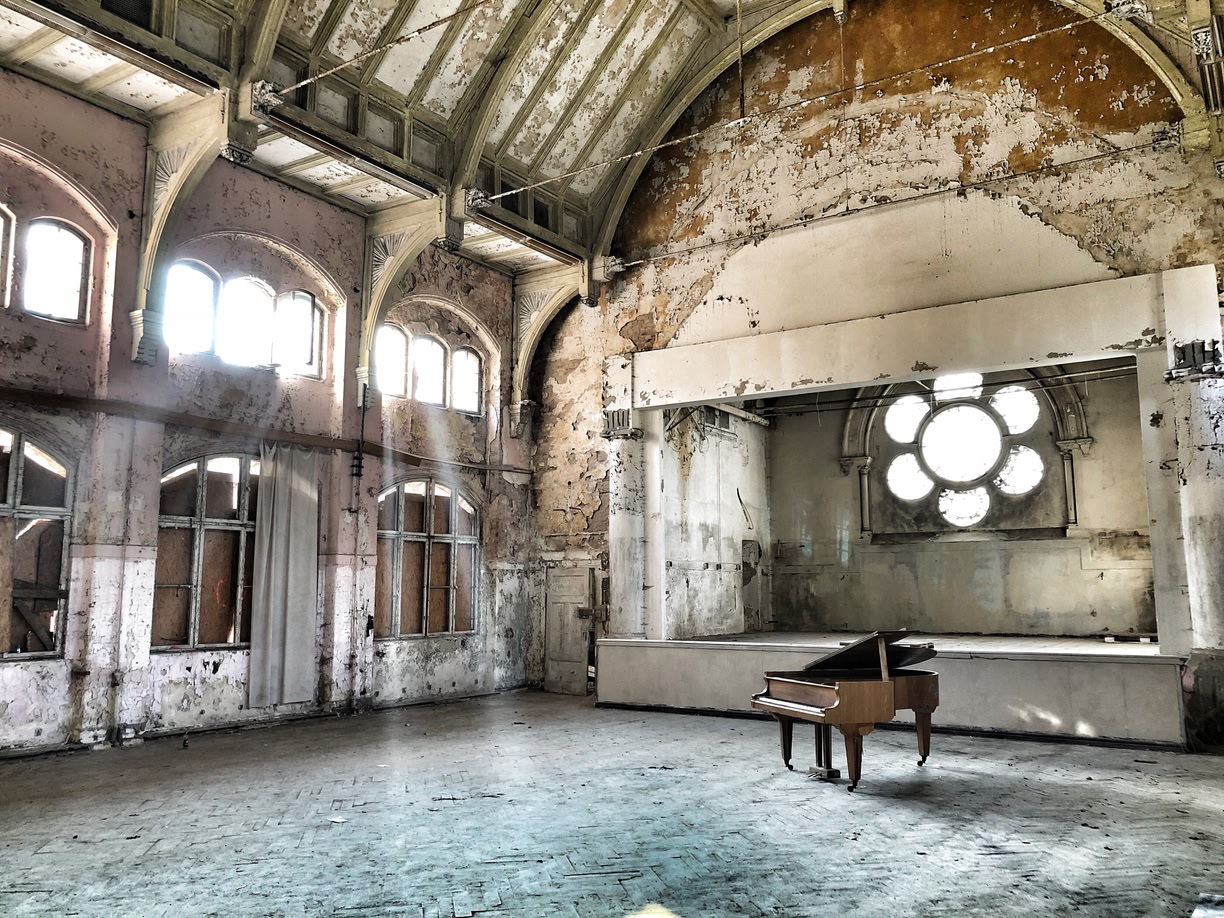
Urbex is short for 'urban exploration', which simply put, refers to travelling to and exploring abandoned, disused or remote locations. This could be anything from a dilapidated hotel to disused sewage systems and mines. Sub-categories of urbex include 'draining' (exploring storm drains and sewers), 'urban spelunking' and 'building hacking'. The locations are often overgrown, eerie and hauntingly beautiful, with many sporting a post-apocalyptic feel popular with photographers.
Once upon a time, urbex was considered quite a niche 'hobby', enthusiastically pursued by a small portion of travellers, but in recent years it's boomed. It's in part thanks to documentary series like Cities of the Underworld on the History Channel and Urban Explorers on Discovery. Now there are host of tour companies offering urbex trips and taking people to some seriously weird and wonderful abandoned places.
Here are some of urbex's most popular subdivisions:
Abandoned places: By far the most popular urbex pursuit, these can be any buildings that have been left to decay, such as hospitals, hotels, factories and even amusement parks.
Rooftopping: One for the bolder traveller. This offshoot of urbex involves climbing tall structures to take aerial photos. We don't recommend undertaking this kind of urbex without qualified supervision and safety equipment
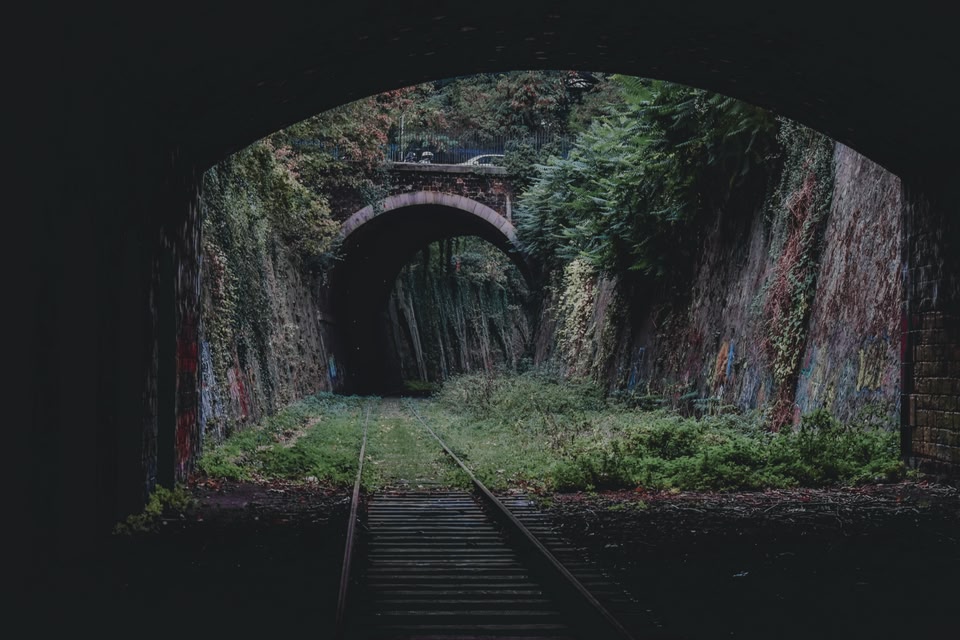
Underground areas: Below ground is a host of creepy and captivating spaces, from sewers and subways to catacombs and tunnels.
Industrial sites: some of the most photogenic sites are retired production lines, from power plants and factories to quarries and mills
Is urbex dangerous?
Urbex can be dangerous, which is why we always advise that you take a guided tour of any abandoned places you want to visit. While some travellers explore without guides, it's unadvisable, as old buildings and structures can become unstable at short notice. The last thing you want is to ruin your trip by suffering an injury.
Venturing into lesser-visited regions can also pose problems legally: if the site isn't open to the public, it's likely owned by someone and technically you could be trespassing. If there's somewhere you're really keen to visit, try and obtain permission from the owner first. Otherwise, keep to sites you know to accept visitors.
Urbex trips are ones it's worth taking out travel insurance for, just to make sure you're covered for any unexpected surprised. Take a look at our simplified guide to travel insurance to help you find the right policy for your trip.
How to enjoy urbex travel safely
The point of urbex travel is to see places not many do, see historic, forgotten sites and bask in their eerie stillness. It's much easier to soak all that in without worrying about whether the roof's going to fall in, so we strongly recommend signing on for a tour with a respected guiding company, so you can stay safe and legal. There are a range of companies offering urbex tours around the world (including Urbex Travel, Urbexstorm and Young Pioneer Tours), so it should be easy to find one that'll take you where you want to go.
However, should you decide to venture out by yourself, adhering to the following rules will likely keep you safe and guarantee maximum enjoyment.
Research your location thoroughly before you visit - know where you're going, what the layout is and how to navigate it safely
Never go alone - always take a friend. It's safer, and you'll have someone to share the memories with!
Wear gear suitable for the location you're visiting - if you're going underground, take torches, solid, waterproof boots and back up batteries for your phone
Stay alert - listen out for sounds and other signals which might suggest a change in the environment so you can pre-empt any hiccups
Respect your surroundings - The urbex motto is "take only pictures, leave only footprints", so practice that on your trip. Don't remove anything, or touch anything which you could impact (like flaky wall paint)
Always hire a guide to take you to urbex locations. It's safer, and you'll learn a lot more.
Five of our favourite urbex destinations to visit
Keen to take your first forays into urbex? Here are five captivating sites you can explore with certified tour guides to get started.

Eastern State Penitentiary, Philadelphia
Once the world’s most famous – and expensive – prisons, the Eastern State Penitentiary held notorious criminals like Al Capone and ‘Slick Willie’ Sutton. It closed 55 years ago, in 1971, and is one of Philadelphia’s most creepy sights. You don’t have to conduct a reverse prison break to visit the crumbling cell blocks – tours are available during the day and evening. Join to hear stories of daring escapes, see reconstructed 19th-century cells and enjoy a craft beer in the former prison yard.

Angkor Wat, Cambodia
Another of the world’s most famous abandoned places, Angkor Wat in Cambodia, is a huge tourist attraction renowned for its overgrown temples and ancient sculptures. However, this holy city was lost to the world for hundreds of years, after the Khmer empire abandoned the temple complex in the 15th century. It was only rediscovered in 1860, by French naturalist Henri Mouhot. You need a special permit to visit the Angkor Archaeological Park, and although it’s possible to visit the main sights in one day it’s better to give yourself some extra time to really get to grips with the sheer scale of the complex.

Craco, Italy
This ghost town in Southern Italy dates back to the eighth century. It survived 1,400 years of marauders, plague and conflict before faulty pipework led its residents to leave in 1991. Today, the empty, medieval streets make it a popular filming location, appearing in movies like The Passion of the Christ (2004) and Quantum of Solace (2010). Guided tours around the town are available for a small fee, or you can visit during one of the six holy festivals that take place throughout the summer.

Kolmanskop, Namibia
Another of the world’s most striking abandoned places, the diamond-mining town of Kolmanskop was once a luxurious enclave in the Namib Desert. Fresh drinking water was imported by train, and opera groups travelled all the way from Europe to perform. Legend has it that some eccentric residents even kept ostriches as pets. When larger diamond fields were found by the coast, however, people left their homes behind for pastures new. Today sand blows through the rooms of the opulent homes, which are in danger of disappearing into the desert altogether. Guided tours are available from the nearby beach town of Luderitz.

Kayaköy, Türkiye
You’ll find this ghost town just a few kilometres west of the bustling tourist resort of Hisaronu, where the Mediterranean meets the Aegean. Until the early 1920s, the village was home to Greek Orthodox Christians and Anatolian Muslims. When the Greco-Turkish war ended in 1923 there was a population exchange, which left the hillside village empty. An earthquake in 1957 was the final straw. Although homes on the valley floor were repaired, those on the hillside were left to the elements. Today it has museum status, so you can hike up and explore the ruined homes, schools, cafes and shops.
Urbex FAQs
Now you know what urbex is, it's time to go out there and get exploring! Head to Skyscanner's travel planning hub to help get you started.
Looking for cheap flights? Skyscanner helps you find the best flights, hotels and car rental deals for your next trip.


