
A country-by-country guide to which travel plug adapter you need for Spain, Turkey, Thailand, the USA and more.
Is there a worse feeling than getting ready to unwind after a long flight only to suddenly realise that you packed the wrong travel plug adapter? We’ll help you stay powered-up all over the world with this simple, country-by-country breakdown of which travel plug adapter you need for where.
Do I need a plug adapter when travelling from the UK?
It depends on where you’re going but usually, yes. While the UK uses a type G plug with three rectangular pins, just like in Dubai, Singapore and Cyprus, many countries use A, B, C or F sockets.
In fact, type C is most commonly used across Europe, Asia, and South America, while type A is standard in North America, Japan, and parts of Asia, so you’ll likely need a a travel plug adapter for most places around the world.
A country-by-country guide to travel plug adapters:
The International Electrotechnical Commission (IEC) categorises plug types by letter, making it easy to identify the right travel plug adapters wherever you go.
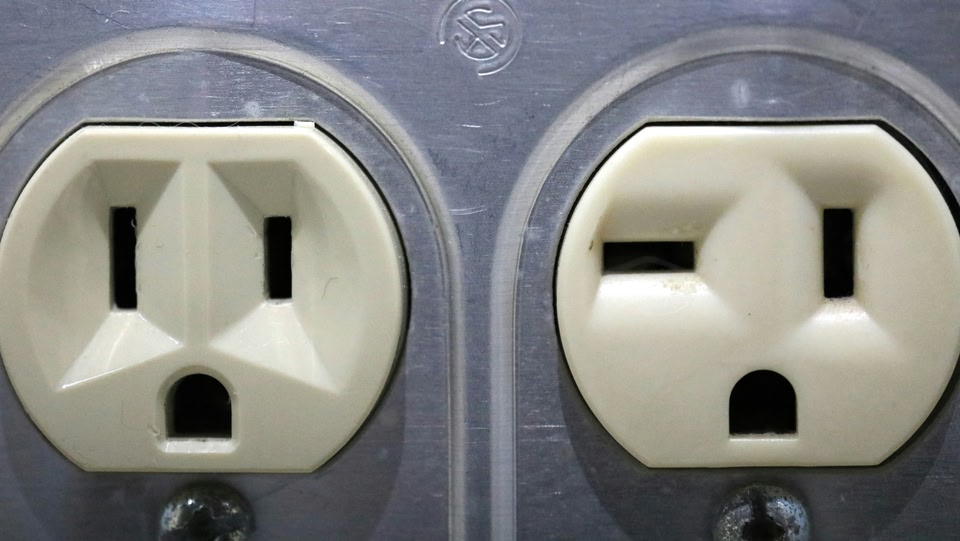
Type A & B plug: Used in North America, Central America, and parts of South America and Asia.
Type C plug: The standard plug in most European countries.
Type G plug: Found in the UK, Ireland, and some former British colonies.
Type I plug: Used in Australia, New Zealand, and parts of Asia.
You may also need a voltage converter to safely charge your device. That’s because voltages vary in different destinations, which could damage your phone or laptop when plugged in. In most cases, international travel plug adapters are capable of handling voltages between 100v and 240v, but always check the adapter itself before plugging in.
For more information on the different plug adapters, check out the table below:
Country / Region | Adapter plug type in country / region | Voltage in country / region |
|---|---|---|
Abu Dhabi | G | 230 V |
Afghanistan | C, F | 220 V |
Albania | C, F | 230 V |
Algeria | C, F | 230 V |
American Samoa | A, B, F, I | 120 V |
Andorra | C, F | 230 V |
Angola | C | 220 V |
Anguilla | A, B | 110 V |
Antigua and Barbuda | A, B | 230 V |
Argentina | C, I | 220 V |
Armenia | C, F | 230 V |
Aruba | A, B, F | 120 V |
Australia | I | 230 V |
Austria | C, F | 230 V |
Azerbaijan | C, F | 220 V |
Azores | B, C, F | 230 V |
Bahamas | A, B | 120 V |
Bahrain | G | 230 V |
Balearic Islands | C, F | 230 V |
Bangladesh | A, C, D, G, K | 220 V |
Barbados | A, B | 115 V |
Belarus | C, F | 220 V |
Belgium | C, E | 230 V |
Belize | A, B, G | 110 V / 220 V |
Benin | C, E | 220 V |
Bermuda | A, B | 120 V |
Bhutan | C, D, G | 230 V |
Bolivia | A, C | 230 V |
Bonaire | A, C | 127 V |
Bosnia and Herzegovina | C, F | 230 V |
Botswana | D, G | 230 V |
Brazil | C, N | 127 V / 220 V |
British Virgin Islands | A, B | 110 V |
Brunei | G | 240 V |
Bulgaria | C, F | 230 V |
Burkina Faso | C, E | 220 V |
Burma/Myanmar | A, C, D, G, I | 230 V |
Burundi | C, E | 220 V |
Cambodia | A, C, G | 230 V |
Cameroon | C, E | 220 V |
Canada | A, B | 120 V |
Canary Islands | C, E, F | 230 V |
Cape Verde | C, F | 230 V |
Cayman Islands | A, B | 120 V |
Central African Republic | C, E | 220 V |
Chad | C, D, E, F | 220 V |
Channel Islands | C, G | 230 V |
Chile | C, L | 220 V |
China | A, C, I | 220 V |
Christmas Island | I | 230 V |
Cocos Islands | I | 230 V |
Colombia | A, B | 110 V |
Comoros | C, E | 220 V |
Congo, Democratic Republic | C, D, E | 220 V |
Congo | C, E | 230 V |
Cook Islands | I | 240 V |
Costa Rica | A, B | 120 V |
Ivory Coast | C, E | 220 V |
Croatia | C, F | 230 V |
Cuba | A, B, C, L | 110 V / 220 V |
Curaçao | A, B | 127 V |
Cyprus | G | 230 V |
Cyprus, North | G | 230 V |
Czech Republic | C, E | 230 V |
Denmark | C, E, F, K | 230 V |
Djibouti | C, E | 220 V |
Dominica | D, G | 230 V |
Dominican Republic | A, B | 120 V |
Dubai | G | 230 V |
East Timor | C, E, F, I | 220 V |
Ecuador | A, B | 120 V |
Egypt | C, F | 220 V |
El Salvador | A, B | 120 V |
Equatorial Guinea | C, E | 220 V |
Eritrea | C, L | 230 V |
Estonia | C, F | 230 V |
Ethiopia | C, F | 220 V |
Faroe Islands | C, E, F, K | 230 V |
Falkland Islands | G | 240 V |
Fiji | I | 240 V |
Finland | C, F | 230 V |
France | C, E | 230 V |
French Guiana | C, D, E | 220 V |
Gabon | C | 220 V |
Gambia | G | 230 V |
Georgia | C, F | 220 V |
Germany | C, F | 230 V |
Ghana | D, G | 230 V |
Gibraltar | G | 230 V |
Great Britain | G | 230 V |
Greece | C, F | 230 V |
Greenland | C, E, F, K | 230 V |
Grenada | G | 230 V |
Guadeloupe | C, E | 230 V |
Guam | A, B | 110 V |
Guatemala | A, B | 120 V |
Guinea | C, F, K | 220 V |
Guinea-Bissau | C | 220 V |
Guyana | A, B, D, G | 120 V / 240 V |
Haiti | A, B | 110 V |
Honduras | A, B | 120 V |
Hong Kong | G | 220 V |
Hungary | C, F | 230 V |
Iceland | C, F | 230 V |
India | C, D, M | 230 V |
Indonesia | C, F | 230 V |
Iran | C, F | 230 V |
Iraq | C, D, G | 230 V |
Ireland | G | 230 V |
Isle of Man | C, G | 230 V |
Israel | C, H | 230 V |
Italy | C, F, L | 230 V |
Jamaica | A, B | 110 V |
Japan | A, B | 100 V |
Jordan | C, D, F, G, J | 230 V |
Kazakhstan | C, F | 220 V |
Kenya | G | 240 V |
Kiribati | I | 240 V |
Korea, North | C | 220 V |
Korea, South | C, F | 220 V |
Kosovo | C, F | 230 V |
Kuwait | G | 240 V |
Kyrgyzstan | C, F | 220 V |
Laos | A, B, C, E, F | 230 V |
Latvia | C, F | 230 V |
Lebanon | C, D, G | 230 V |
Lesotho | M | 220 V |
Liberia | A, B | 120 V |
Libya | C, L | 230 V |
Liechtenstein | C, J | 230 V |
Lithuania | C, F | 230 V |
Luxembourg | C, F | 230 V |
Macau | G | 220 V |
Macedonia | C, F | 230 V |
Madagascar | C, E | 220 V |
Madeira | C, F | 230 V |
Malawi | G | 230 V |
Malaysia | G | 240 V |
Maldives | C, D, G, J, K, L | 230 V |
Mali | C, E | 220 V |
Malta | G | 230 V |
Marshall Islands | A, B | 120 V |
Martinique | C, D, E | 220 V |
Mauritania | C | 220 V |
Mauritius | C, G | 230 V |
Mayotte | C, E | 230 V |
Mexico | A, B | 127 V |
Micronesia | A, B | 120 V |
Moldova | C, F | 230 V |
Monaco | C, E, F | 230 V |
Mongolia | C, E | 230 V |
Montenegro | C, F | 230 V |
Montserrat | A, B | 230 V |
Morocco | C, E | 220 V |
Mozambique | C, F, M | 220 V |
Namibia | D, M | 220 V |
Nauru | I | 240 V |
Nepal | C, D, M | 230 V |
Netherlands | C, F | 230 V |
New Caledonia | C, F | 220 V |
New Zealand | I | 230 V |
Nicaragua | A | 120 V |
Niger | C, D, E, F | 220 V |
Nigeria | D, G | 230 V |
Niue | I | 230 V |
Norfolk Island | I | 230 V |
North Cyprus | G | 230 V |
Northern Ireland | G | 230 V |
Norway | C, F | 230 V |
Oman | G | 240 V |
Pakistan | C, D | 230 V |
Palau | A, B | 120 V |
Palestine | C, H | 230 V |
Panama | A, B | 120 V |
Papua New Guinea | I | 240 V |
Paraguay | C | 220 V |
Peru | A, C | 220 V |
Philippines | A, B, C | 220 V |
Pitcairn Islands | I | 230 V |
Poland | C, E | 230 V |
Portugal | C, F | 230 V |
Puerto Rico | A, B | 120 V |
Qatar | G | 240 V |
Réunion | C, E | 230 V |
Romania | C, F | 230 V |
Russia | C, F | 220 V |
Rwanda | C, J | 230 V |
Saint Barthélemy | C, E | 230 V |
Saint Kitts and Nevis | D, G | 230 V |
Saint Lucia | G | 230 V |
Saint Martin | C, E | 220 V |
Saint Helena | G | 230 V |
Sint Eustatius | A, B, C, F | 110 V / 220 V |
Sint Maarten | A, B | 110 V |
Saint Vincent & Grenadines | A, B, G | 110 V / 230 V |
Samoa | I | 230 V |
San Marino | C, F, L | 230 V |
São Tomé & Príncipe | C, F | 230 V |
Saudi Arabia | G | 230 V |
Scotland | G | 230 V |
Senegal | C, D, E, K | 230 V |
Serbia | C, F | 230 V |
Seychelles | G | 240 V |
Sierra Leone | D, G | 230 V |
Singapore | G | 230 V |
Slovakia | C, E | 230 V |
Slovenia | C, F | 230 V |
Solomon Islands | G, I | 230 V |
Somalia | C | 220 V |
Somaliland | C | 220 V |
South Africa | C, D, M, N | 230 V |
South Korea | C, F | 220 V |
South Sudan | C, D | 230 V |
Spain | C, F | 230 V |
Sri Lanka | D, G | 230 V |
Sudan | C, D | 230 V |
Suriname | A, B, C, F | 127 V / 230 V |
Swaziland | M | 230 V |
Sweden | C, F | 230 V |
Switzerland | C, J | 230 V |
Syria | C, E, L | 220 V |
Tahiti | C, E | 220 V |
Taiwan | A, B | 110 V |
Tajikistan | C, F | 220 V |
Tanzania | D, G | 230 V |
Thailand | A, B, C, O | 230 V |
Togo | C | 220 V |
Tokelau | I | 230 V |
Tonga | I | 240 V |
Trinidad & Tobago | A, B | 115 V |
Tunisia | C, E | 230 V |
Turkey | C, F | 230 V |
Turkmenistan | C, F | 220 V |
Turks & Caicos Islands | A, B | 120 V |
Tuvalu | I | 230 V |
Uganda | G | 240 V |
Ukraine | C, F | 230 V |
United Arab Emirates | G | 230 V |
United Kingdom | G | 230 V |
United States of America | A, B | 120 V |
United States Virgin Islands | A, B | 110 V |
Uruguay | C, F, L | 220 V |
Uzbekistan | C, F | 220 V |
Vanuatu | I | 230 V |
Vatican City | C, F, L | 230 V |
Venezuela | A, B | 120 V |
Vietnam | A, C, D | 220 V |
Virgin Islands, British | A, B | 110 V |
Virgin Islands, United States | A, B | 110 V |
Wales | G | 230 V |
Yemen | A, D, G | 230 V |
Zambia | C, D, G | 230 V |
Zimbabwe | D, G | 240 V |
What do the international plug letters mean?
Plug systems are grouped by letters from A to O. The letter describes the physical plug and socket design, not the voltage.
Type | Description |
|---|---|
A | Two flat, parallel pins. |
B | Two flat, parallel pins with a round grounding pin. |
C | Two round pins. |
D | Three large round pins in a triangular arrangement. |
E | Two round pins and a female grounding hole. |
F | Two round pins with two grounding clips on the side. |
G | Three rectangular pins in a triangular arrangement. |
H | Three flat pins in a triangular arrangement. |
I | Two flat pins in a V-shape with a grounding pin. |
J | Three round pins in a triangular arrangement with a grounding pin. |
K | Three round pins in a triangular arrangement. |
L | Three round pins in a horizontal line. |
M | Three large round pins in a triangular arrangement, similar to D but larger. |
N | Two round pins and a grounding pin, similar to C but with different pin spacing. |
O | Two round side-by-side pins with a grounding pin (Thailand). |
What's the best universal travel adapter to buy?
The best travel adapter for most UK travellers is a well-made universal model that supports the destinations on their itinerary and meets the relevant UK safety standard. It should accept a UK plug and cover common Type A, B, C, E, F, G and I sockets.
Look for:
Compliance with BS 8546 when the adapter is sold for use with UK plugs
Safety shutters and secure pins
Suitable earthing for devices that require it
A clearly stated maximum wattage or current
USB-A or USB-C ports that match your cables
A surge-protection label should not replace the other checks. It also does not mean the adapter converts voltage.
Adapter vs voltage converter — what's the difference?
A travel adapter changes the shape of your plug so that it fits the socket at your destination.
A voltage converter or transformer changes the electrical voltage supplied to your device.
You may need both, depending on your destination and the device you are taking. Check the voltage and frequency printed on your charger or appliance, then compare them with the electricity supply at your destination.
For example, a UK appliance marked 220–240V would need a suitable step-up converter in a lower-voltage destination such as the USA, Canada, Mexico or Japan. The converter raises the local voltage to the level the appliance needs. These destinations generally use supplies between 100V and 127V, compared with the UK’s 230V supply.
By contrast, a phone charger marked 100–240V, 50/60Hz can already handle the common voltages and frequencies used around the world. You will only need a travel adapter if the local socket is a different shape.
Before using a voltage converter, check that:
It converts the voltage in the correct direction
Its maximum wattage is higher than the appliance’s wattage
The appliance manufacturer confirms that it is suitable
The appliance supports the destination’s frequency
This is especially important for high-powered appliances such as hair dryers, straighteners and kettles. Some may work with a correctly rated converter, but others may be unsuitable or require a converter that is too powerful and bulky to be practical for travel.
Can I use my Dyson, hair dryer or hair straighteners abroad?
It depends on the voltage printed on the exact device. A UK Dyson Airwrap rated at 220–240V works in destinations with a similar voltage, such as Spain, Turkey, Greece, Portugal, Thailand and Egypt with the correct adapter, or in the UAE, where no travel plug adaptor with be needed.
However, Dyson’s UK Airwrap product specifications list a voltage of 220–240V, so it is not designed for lower-voltage destinations such as the USA, Canada, Mexico or Japan. Dyson also advises using an Airwrap only in countries whose electricity supply falls within the same voltage range as the country where it was purchased, so don’t rely on a basic travel adapter or an unapproved voltage converter to make it compatible.
The Dyson Supersonic Travel on the other hand is a separate travel model rated at 100–240V. It automatically adapts to local voltage, although a destination-specific plug adapter may still be required.
Will my phone charger work abroad?
Most phone chargers will work abroad, but check the input voltage printed on the charging plug before you travel.
Your charger says | Will it work in Spain, Turkey, Thailand or Dubai? | Will it work in the USA, Canada, Mexico or Japan? | What you'll need |
|---|---|---|---|
100-240v 50-60Hz | Yes | Yes | The right type of international plug adaptor |
220-240v only | Yes | Not without changing the voltage | A suitable* step-up converter |
100-127v only | Not without changing the voltage | Yes | A suitable* step-down converter |
*Suitability is dependent on both the destination’s electricity supply and the appliance you want to use. Not every step-up or step-down converter works with every device so check that your device is compatible.


