It's not too late to experience Oktoberfest 2026. If you're flexible about when you fly, where you sleep and which days to attend, a last-minute trip is still possible.
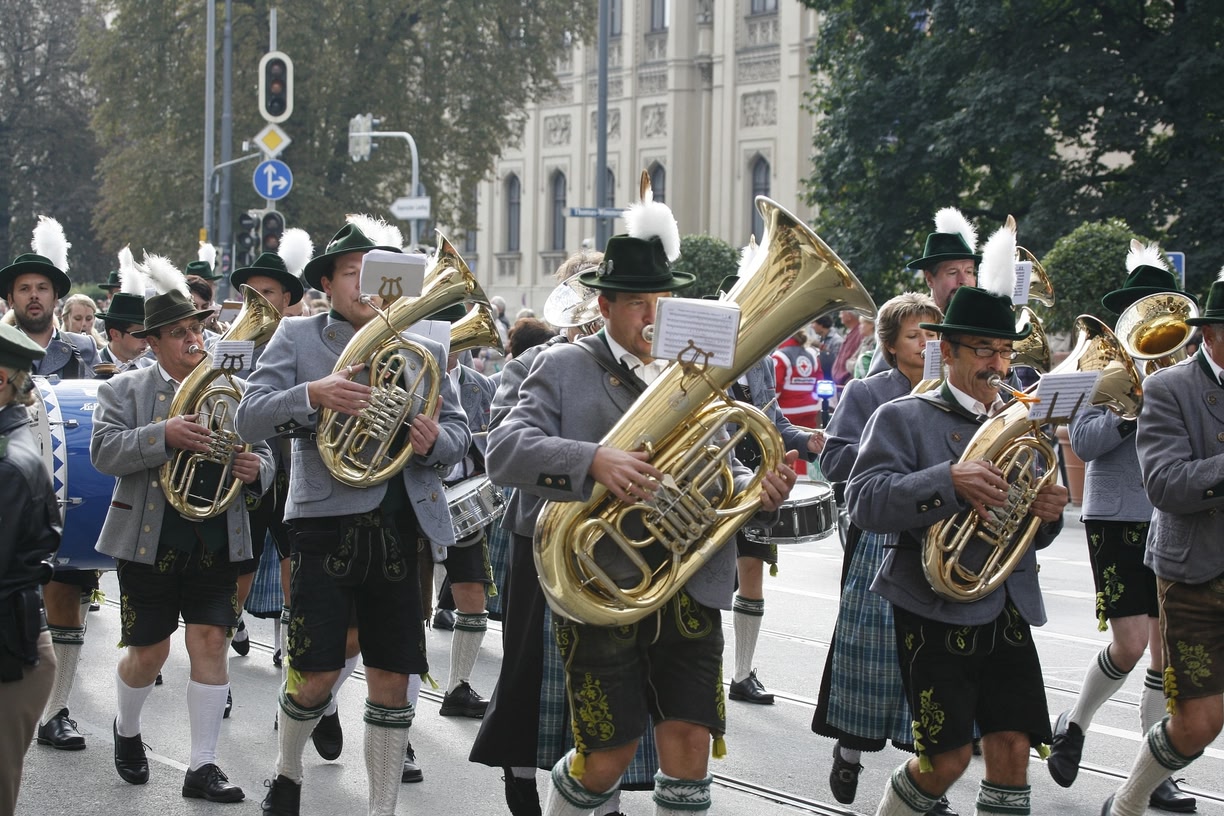
Every September, Oktoberfest (or Wiesn as the locals call it), turns the Bavarian capital into the stomping grounds for the world’s largest folk festival, characterised by beer tents, ‘oompah’ bands and thousands of people in traditional Bavarian dress.
For UK travellers, getting there is straightforward. Munich has direct flights to various UK airports and the festival takes place right inside the city. Plus, you don’t even need a ticket to enter the main Oktoberfest grounds.
This guide covers everything you need to know for planning a trip to experience one of Europe's most iconic autumn festivals, so all you have to do is remember to cheers, Prost!
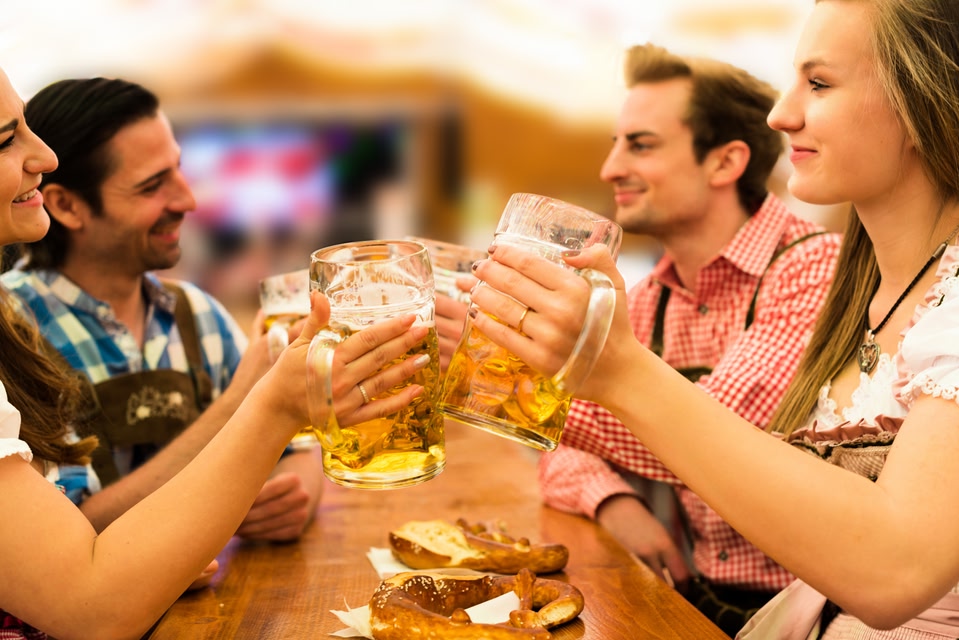
In 2026, Oktoberfest runs from Saturday 19 September to Sunday 4 October 2026, giving travellers just over two weeks to plan a last-minute trip.
Ceremoniously, the first beer will be tapped at noon sharp on the Saturday to officially open the festival, and in the following days, expect a riflemen's parade, a concert, and the traditional gun salute on the final day to close the festival.
When picking dates, keep the following in mind:
If your priority is atmosphere, opening weekend and the final weekend are the dates you should be there.
If your priority is keeping costs down, look at travelling from Sunday to Thursday. Another advantage to a midweek visit is beating the crowds. While the official festival confirms that some tables in the large tents are kept available for people without reservations, it’s best to arrive earlier in the day to improve your chances of finding an unreserved seat, as tents can reach capacity during evenings and weekends.
For UK travellers, direct flights to Munich Airport are available from various airports. Once you land, Munich's S1 and S8 S-Bahn trains run straight into the city centre, taking around 40 minutes from the airport to Hauptbahnhof. Both lines run alternately and there is normally a train around every 10 minutes.
The Lufthansa Express Bus is another option which takes around 45 minutes, and runs from the airport to Munich Central Station every 20 minutes. Don’t be fooled by the name though. You can use it regardless of which airline you flew with.
From central Munich, you can get to Theresienwiese, where Oktoberfest is held, via the U-Bahn, S-Bahn, bus and tram.
Tips for finding cheap flights for Oktoberfest
Compare flights from various UK airports via Skyscanner’s nearby airport filter
Use Skyscanner’s Whole Month Search tool to compare flight prices for Friday-to-Sunday against Saturday-to-Monday, or Sunday-to-Tuesday if you’re looking for the cheapest fares for a short break in Munich.
Use Skyscanner’s filters to compare fares including checked baggage against hand-luggage-only fares so you get a better idea of the total trip cost.
Compare flight and hotel prices together vs. flight only. You could be saving £30 on a flight, only to add £200 to the total once you’ve booked your accommodation.
Also, it’s best to remember that while flights in mid-September technically fall into ‘shoulder-season’, Oktoberfest can create a surge in demand. This is why being flexible can offer you more options to choose from and help you secure the best deal for your trip. If you want more tips like this, read our playbook on finding cheap last-minute flights.
Where to stay for Oktoberfest
If prices around the festival grounds are high, try broadening your search away from Theresienwiese to open up more accommodation options to choose from. This is a great tactic for Oktoberfest as Munich's efficient public transport network means you don’t need to sleep within walking distance of the festival.
The most convenient areas are around Ludwigsvorstadt-Isarvorstadt, Hauptbahnhof and the southern edge of Munich's old town, where you can walk or take a short public-transport journey to Theresienwiese.
Useful areas to compare include:
Haidhausen and around Ostbahnhof: These are well connected, with plenty happening away from the festival too.
Sendling: This is a convenient base for Theresienwiese without necessarily commanding the same premium as its immediate surroundings.
Schwabing: Staying here is a good option if you want restaurants, bars and neighbourhood life as well as Oktoberfest.
Neuhausen-Nymphenburg: Staying here promises a quieter stay as it's farther from the festival, but well connected and useful for visitors who don't want their entire Munich break to revolve around beer tents.
A 20-minute U-Bahn journey may be a much better trade-off than paying a huge premium simply to walk to the Wiesn.
How much does it cost to attend Oktoberfest
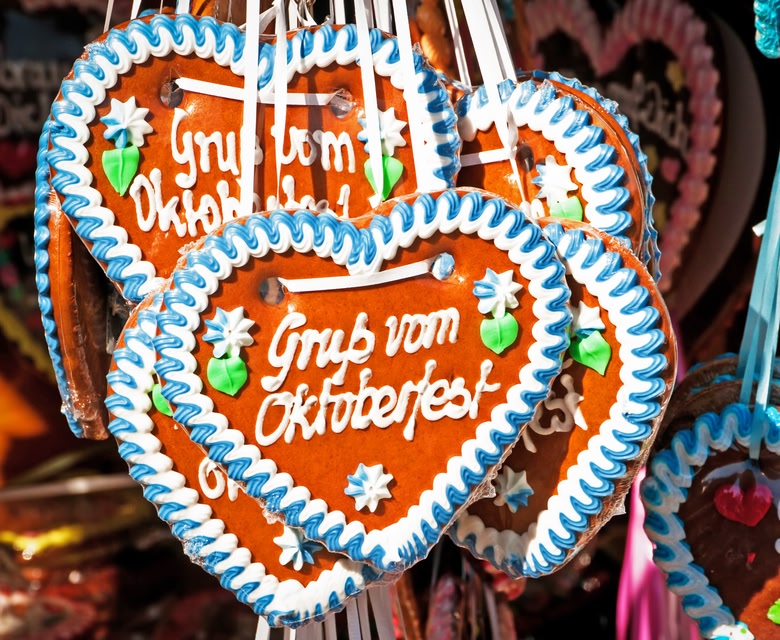
Oktoberfest itself is free to enter. There is no general admission ticket to visit the Theresienwiese grounds or the main beer tents. However, the Oide Wiesn charges €4 admission for visitors aged 15 and over, while children aged 14 and under enter free.
This is the historic area, widely considered the family-friendly section of the festival which recreates the traditional event dating back to the 19th and early 20th centuries. Time travel through historical exhibits, old show booths and activities that delve into the origins of the Oktoberfest here.
Additional costs to budget for include paying for the beer itself. The official 2026 price list specifies in the main large tents, the range is €14.90 – €15.90, with the average at €15.61. Plus, food costs sit on top of that.
Remember to include tips in your cash budget too as tipping your beer server is customary. Rounding up the bill or adding around €1–€2 per Maß (pronounced like ‘mass’) is common, or tipping between 5–10%.
If saving money is the priority, though, the biggest gains are usually made before you reach the festival grounds through smart travel planning to find cheaper travel dates, sensible accommodation and avoiding unnecessary taxis.
Oktoberfest regulars point out that looking after your server tends to make the very busy ordering process smoother.
Do you have to wear lederhosen or a dirndl to Oktoberfest?
No. Traditional Bavarian dress is common at Oktoberfest, including among visitors, but it isn't a requirement. If you do want to dress traditionally though, the two garments to be aware of are:
Lederhosen: These leather breeches are traditionally associated with Bavaria and other Alpine regions, including parts of Austria.
The dirndl: This is a dress or bodice and skirt worn with a blouse and apron.
For those who want to join in, Munich still has plenty of specialist Tracht shops where you can buy your own, ranging from long-established outfitters such as Angermaier to independent boutiques. Moser Trachten also has several branches in and around Munich, selling everything from dirndls and lederhosen to waistcoats, shirts, traditional shoes and accessories.
Here’s where you’ll find them:
Angermaier stores
Landsbergerstr. 103, 80339
Rosental 10 am Viktualienmarkt, 80331
Moser Trachten stores
Wasserburger Landstraße 234, 81827
Kistlerhofstrasse 243a, 81379
Taunusstrasse 51, 80807
What should you pack for Oktoberfest?
While traditional garments are optional, what absolutely matters is footwear. Oktoberfest can involve hours of walking and standing, so pack smart. This is not the occasion to break in new shoes!
Also remember that Munich weather in late September can move quickly between pleasant autumn sunshine and cold or wet conditions, so bring layers and a waterproof jacket.
It’s also worth knowing that Oktoberfest has strict bag restrictions. Bags and backpacks may have a maximum volume of three litres and must not exceed 20 x 15 x 10cm in size. However, while large luggage is not allowed inside the festival grounds, paid luggage storage is available at several entrances.
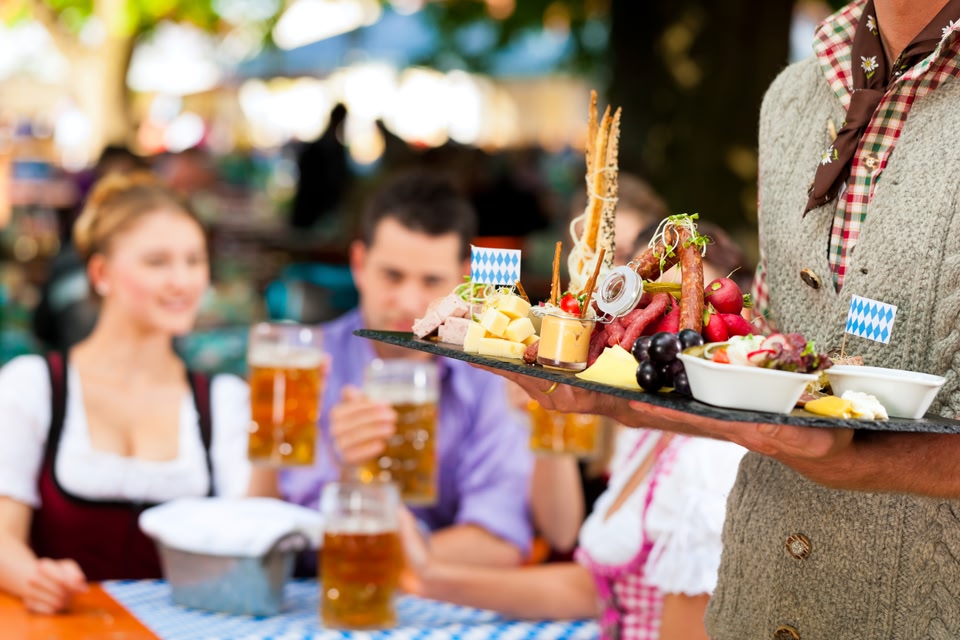
Tips for first-timers and what you can expect at Oktoberfest
Fun facts about Oktoberfest
If you have extra time, not spending it exploring Munich and wider Bavaria is a miss if you see nothing beyond the inside of a beer tent.
Must-dos in Munich include walking through Marienplatz to get to the old town, sampling the goods at the food stalls of the Viktualienmarkt and visiting the royal Residenz, the opulent former palace of the Wittelsbach monarchs of Bavaria.
With more time on your hands, must-visit spots in the region include:

Neuschwanstein Castle
King Ludwig II's 19th-century retreat, which famously inspired the Disney castle, rises above the Bavarian landscape near Füssen. One look and it's no wonder why it has become one of Germany's most recognisable landmarks.

The Bavarian Alps
A trip here offers a complete change of pace after a crowded day at Oktoberfest, with lakes, mountain towns and hiking trails all within reach of Munich.

Salzburg
Austria’s Sound of Music capital is also easily accessible from Munich by rail for travellers who want to turn the trip into a double-city two-countries in one trip type break.


